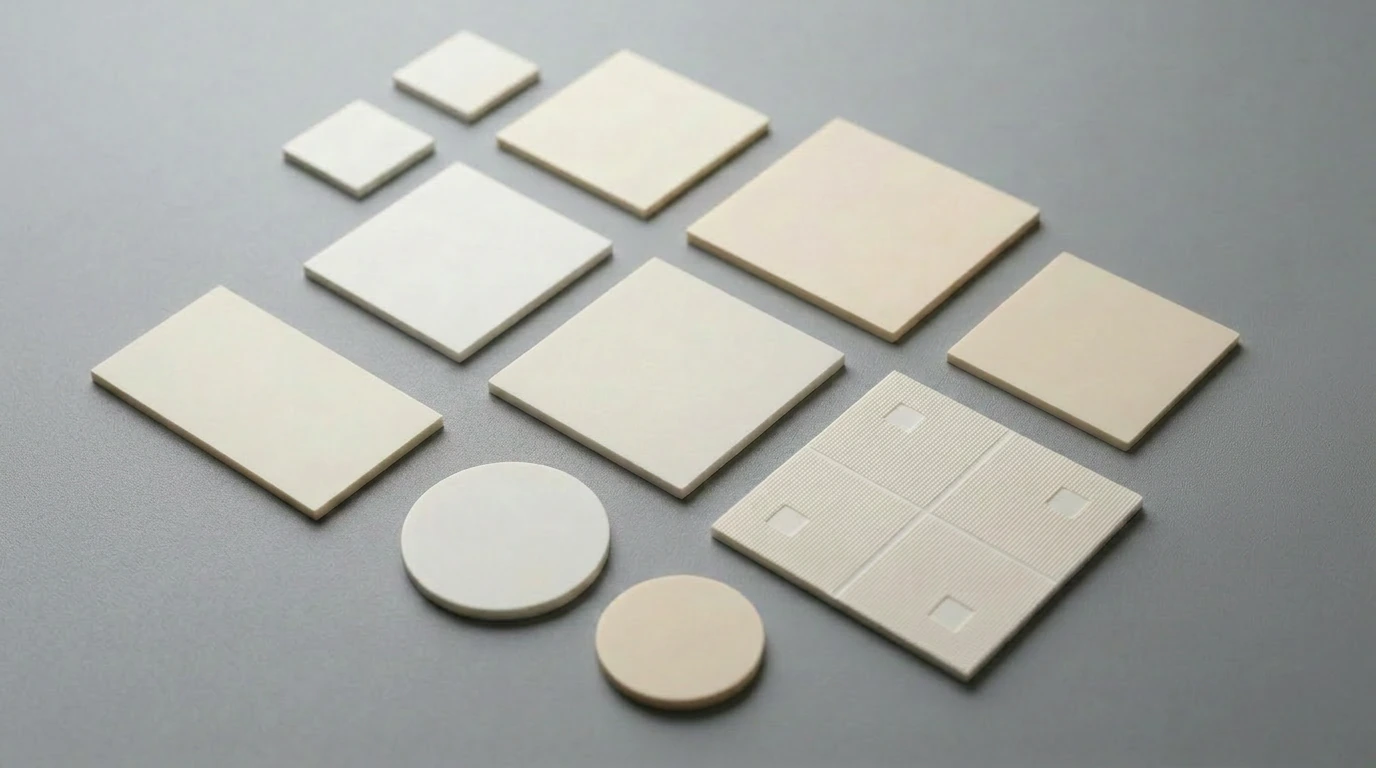
Heat-dissipation substrates, made from thermally conductive ceramics such as aluminum nitride (AlN) and silicon nitride (Si₃N₄), efficiently remove heat from high-power devices in semiconductors, automotive electronics, and telecommunications. Manufacturing requires strict quality control across processes—powder dispersion, green sheet forming, drying, punching, degreasing, and sintering—to ensure strength, easy handling, and minimal residue.
S-LEC™ AS Series, a special acrylic binder for low-temperature, low-residue sintering, is supplied as a moisture-suppressing resin solution with non-alcoholic solvents, enabling stable degreasing in low-oxygen settings and minimizing metal oxidation. See the data sheet for details and evaluation points.
Selecting the right binder is essential for heat dissipation substrates, as it directly affects process stability, final product quality, and overall manufacturing value. During green sheet formation, uniform dispersion of ceramic powder is required, along with sufficient strength and flexibility to withstand punching, transport, lamination, and cutting. At the same time, the binder must be removable during debinding without leaving residue that could affect the sintered substrate’s properties.
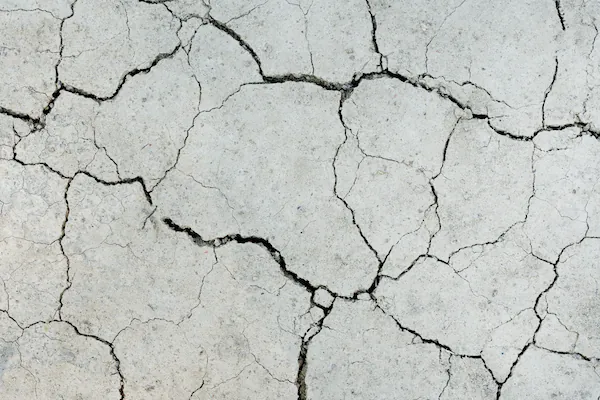
If the binder is not well matched to process conditions, issues such as sheet tearing, chipping during punching, poor handling during transport, and residual contamination after debinding may occur. A comprehensive evaluation across the entire process is therefore critical to protect quality and performance.
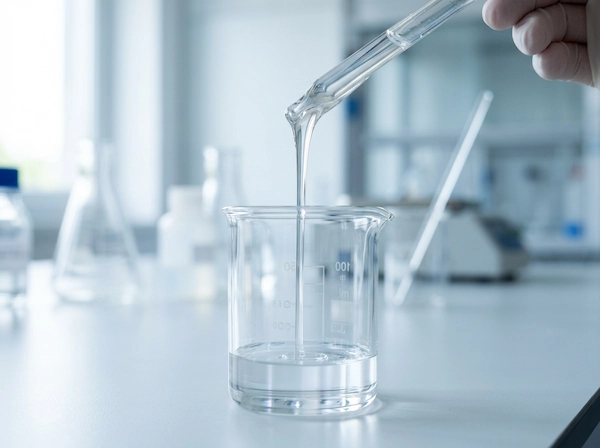
S-LEC™ AS Series is designed to support handling performance during forming and clean removal during debinding and sintering, helping improve process reliability.
In green sheet applications using ceramic powders, the binder must provide sufficient strength and flexibility to ensure stable handling during punching and transport. At the same time, it should decompose efficiently with minimal residue to avoid affecting substrate performance after firing.
S-LEC™ AS Series is engineered to balance low-temperature decomposition, low-residue characteristics, coating and printing suitability, and forming strength. Multiple grades are available, allowing selection based on powder type, solvent system, plasticizers, coating methods, drying conditions, and debinding profiles.
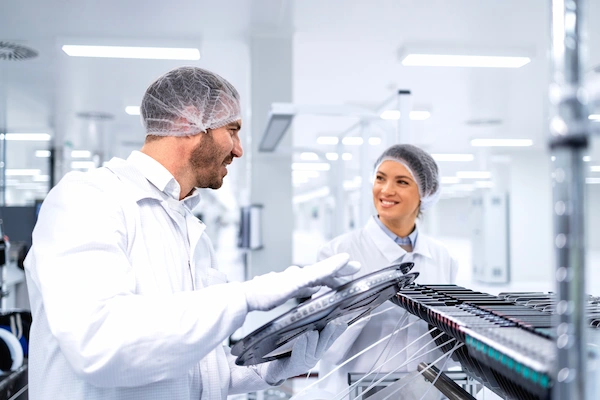
Evaluating a binder for heat dissipation substrates requires more than confirming basic formability. It is important to assess performance under conditions that closely mimic actual production processes to identify the best fit.
At the slurry stage, factors such as powder dispersibility, compatibility with solvents and plasticizers, and viscosity design should be considered. After sheet formation, properties such as drying conditions, strength, flexibility, punchability, and transport handling need to be evaluated.
In debinding and sintering, decomposition behavior, residue levels, and impact on final substrate quality must be carefully confirmed. S-LEC™ AS Series supports this evaluation by offering multiple grades optimized for different process conditions, enabling performance to match application needs.
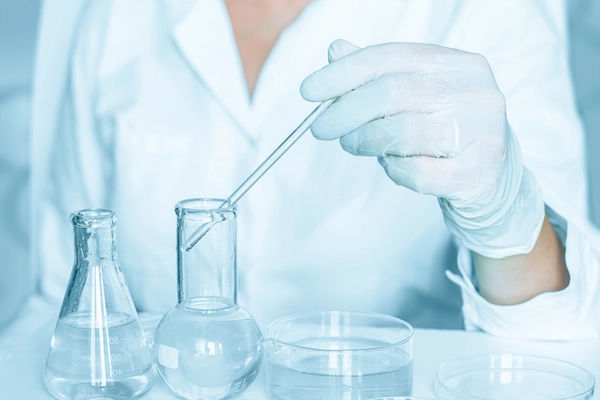
Selecting a binder for heat-dissipation substrates requires evaluating a wide range of factors, including green sheet strength, handling during punching and transport, compatibility with solvents and plasticizers, coating stability, and influence on sintered substrate quality.
Different binder types, such as PVA, aliphatic polycarbonate, general acrylics, and ethyl cellulose, each offer unique characteristics in strength, decomposition behavior, solvent compatibility, and processability.
S-LEC™ AS Series is a specialized acrylic binder designed to balance low-temperature decomposition, low residue, and coating performance, while also offering higher-strength sheet-forming options by grade, helping meet different process requirements.
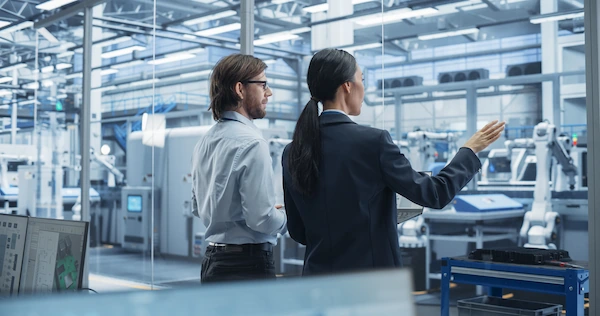
When evaluating S-LEC™ AS Series, it is important to confirm performance under conditions close to your actual manufacturing process. Key factors include sheet strength, punchability, transport handling, cutting performance, debinding residue, and impact on final substrate quality, helping verify suitability for your operation.
Optimal binder selection depends on multiple variables, including ceramic powder type, particle design, solvent system, plasticizers, solids content, coating conditions, drying conditions, and debinding profiles.
By sharing details such as application, substrate type, powder, current binder, solvent system, plasticizer, forming method, and existing challenges, SEKISUI Specialty Chemicals can help identify suitable candidate grades for your evaluation.
Q. What is S-LEC™ AS Series?
A. S-LEC™ AS Series is a specialized acrylic binder designed for low-temperature sintering and low-residue performance. It is developed to balance decomposition behavior, residue control, coating and printing suitability, and forming strength, helping support stable processing and final quality.
Q. How does it differ from general acrylic binders?
A. While general acrylic binders often offer good low-temperature decomposition, they may lack sufficient strength depending on the application. S-LEC™ AS Series is designed to balance low-residue performance with coating suitability and sheet strength, including options for higher-strength grades, helping broaden the application fit.
Q. Why is S-LEC™ AS Series recommended for heat dissipation substrates?
A. Heat dissipation substrates require both strong green sheets and clean removal during debinding. S-LEC™ AS Series is designed to meet both requirements and can be evaluated under specific process conditions to confirm its fit.
Q. At which stages can I evaluate S-LEC™ AS Series?
A. You can evaluate the performance across multiple stages, including slurry preparation, sheet forming, drying, punching, transport, lamination, cutting, debinding, and sintering, with particular focus on handling and post-debinding quality to confirm process value.
Q. What should I consider when replacing an existing binder with S-LEC™ AS Series?
A. Changes in solvent compatibility, plasticizer interactions, viscosity, drying conditions, and debinding profiles may occur. Evaluation under adjusted formulations and process conditions is recommended rather than direct replacement, helping avoid performance loss.
Q. What information should I provide when requesting samples?
A. Helpful information includes application, substrate type, powder, current binder, solvent system, plasticizer, forming method, debinding conditions, and current challenges, enabling more accurate grade recommendations and better selection outcomes.