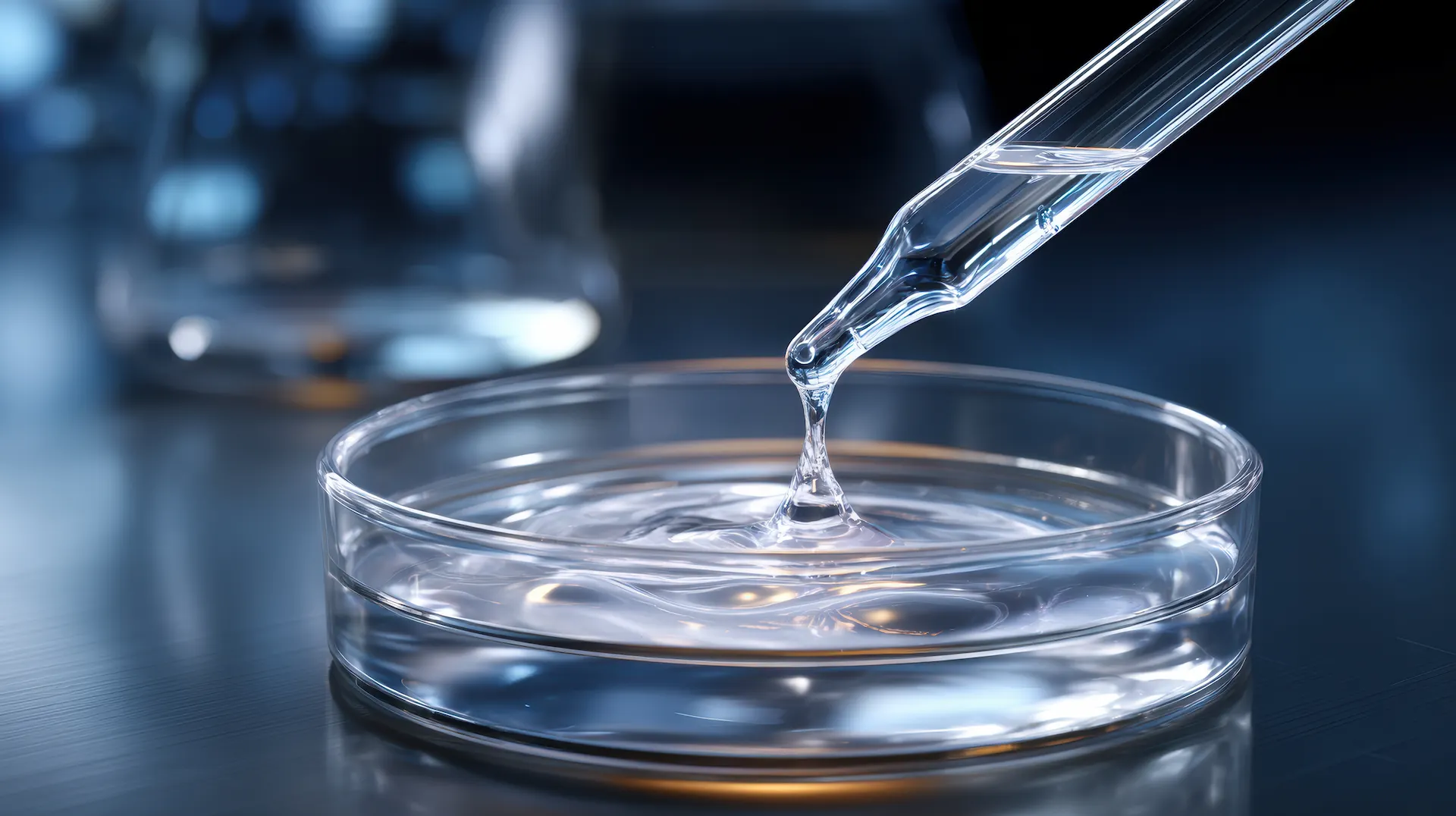

In response to reduced solvent usage and improved workplace safety, industries are increasingly adopting water-based systems across inks, coatings, adhesives, and ceramic binders. However, water solubility alone does not guarantee balanced performance—materials must also deliver substrate adhesion, film strength after drying, flexibility, and stable dispersion of pigments, ceramics, and fillers.
As a result, in fields such as electronic materials and ceramics, formulation stability and coating quality can significantly affect downstream processes and final product yield. Selecting the right material becomes critical. S-LEC™ KW and KX Series offer a flexible option for meeting these requirements, enabling optimization of both processability and product performance in water-based applications.
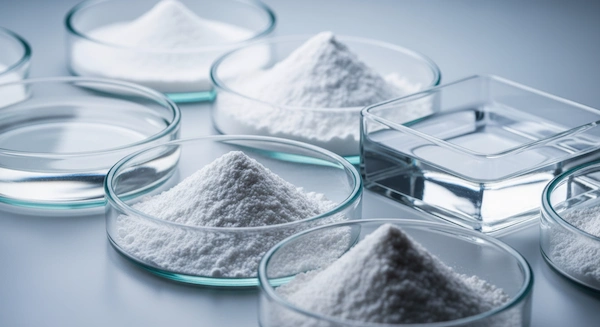
Common water-soluble resins include polyvinyl alcohol (PVA/PVOH), vinyl acetate-based resins, and acrylic resins. While widely used, each presents specific trade-offs depending on the application.
Therefore, when selecting materials, it is important to consider overall performance balance—including solubility, dispersion, adhesion, film properties, and process compatibility—rather than focusing on a single characteristic.
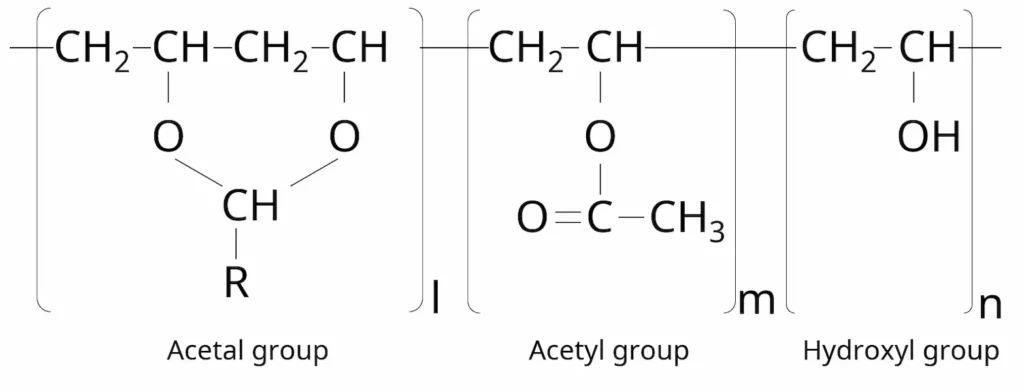
S-LEC™ KW and KX Series are water-soluble polyvinyl acetal resins containing hydroxyl, acetyl, and acetal groups. Their design features a high proportion of hydrophilic hydroxyl groups, enabling compatibility with water and water/alcohol solvent systems, while the acetal structure contributes to strong adhesion and durable film formation.
This combination of molecular functionalities enables formulators to achieve specific benefits, such as improved adhesion, enhanced flexibility, greater film strength, and stable dispersion in water-based systems. Consequently, these resins provide a viable alternative to conventional materials when addressing issues such as poor adhesion, susceptibility to film cracking, or dispersion instability. Their performance makes them suitable for use in electronic materials, coatings, adhesives, and ceramic processing.

S-LEC™ KW and KX Series are designed to combine applicability in water-based systems with a well-balanced set of material properties. Their structure enables solubility in water or water/alcohol mixed solvents, supporting flexible formulation design.
This results in improved adhesion across substrates such as metals, glass, ceramics, paper, and films. Additionally, these resins help to optimize film strength and flexibility after drying, while supporting stable dispersion of pigments, ceramic powders, and fillers in coatings, inks, and ceramic slurries.
Ultimately, by supporting the reduction of organic solvents, SEKISUI Specialty Chemicals offers a practical solution for developing more sustainable water-based systems.
When selecting the appropriate grade of water-soluble polyvinyl acetal resin, a comprehensive review of formulation and process conditions is required. Important factors to consider include solvent system, polarity of fillers and pigments, target viscosity, coating method, drying conditions, and required film properties.
Correspondingly, S-LEC™ KW and KX Series offer multiple grades to address these diverse requirements. S-LEC™ KW Series is typically suitable for water-based systems or as a dispersant, while S-LEC™ KX Series is designed for systems needing solubility in both water and alcohol.
Because performance depends on formulation conditions, we recommend comparative evaluation using samples to identify the most suitable grade for your application.

In water-based film-forming processes, common challenges include insufficient adhesion to substrates, film cracking after drying, poor dispersion of fillers or pigments, and unstable viscosity during coating.
For example, in one evaluation case, conventional materials lacked sufficient flexibility or adhesion to substrates, resulting in unstable coating quality. When the S-LEC™ KW Series was introduced as a candidate material, improvements in substrate adhesion and reductions in film cracking were observed.
Actual performance depends on factors such as substrate type, formulation, film thickness, drying conditions, and usage environment. Pre-evaluation under specific application conditions is recommended. Please share your requirements so we can support grade selection and evaluation planning.
Q. What differentiates this resin from PVA/PVOH or acrylics?
A. S-LEC™ KW and KX Series combine hydrophilic and hydrophobic characteristics, enabling balanced adhesion, film strength, flexibility, and dispersion stability in water-based systems. They are useful when conventional materials cause issues such as poor adhesion, film cracking, or instability.
Q. Which solvents can I use?
A. Suitable solvent systems depend on the grade. In addition to water-based systems, certain grades are compatible with water/alcohol mixed solvents. Solubility is influenced by concentration, temperature, mixing conditions, and formulation components, so verification under actual conditions is recommended.
Q. Is water resistance achievable?
A. Water resistance depends on resin grade, formulation design, drying conditions, crosslinking, and end-use environment. As these are water-soluble resins, evaluating water resistance under actual application conditions is important to ensure the required performance.
Q. What information should I provide for a sample evaluation?
A. Please provide details such as application, substrate, filler or pigment type, solvent system, solid content, target viscosity, coating method, drying conditions, and current challenges. The more specific the information, the better we can recommend suitable grades and evaluation approaches.