

Functional material design requires balancing adhesion, toughness, dispersion stability, weight reduction, foaming, and release behavior. Improving one property can affect viscosity, processability, appearance, or storage stability, making it difficult to achieve the desired balance with the base resin alone.
SEKISUI Specialty Chemicals supports formulation development through two materials: S-LEC™ BK Series for resin modification and ADVANCELL™, which expands when heated. This page introduces their characteristics, potential applications, key selection criteria, and recommended evaluation process.
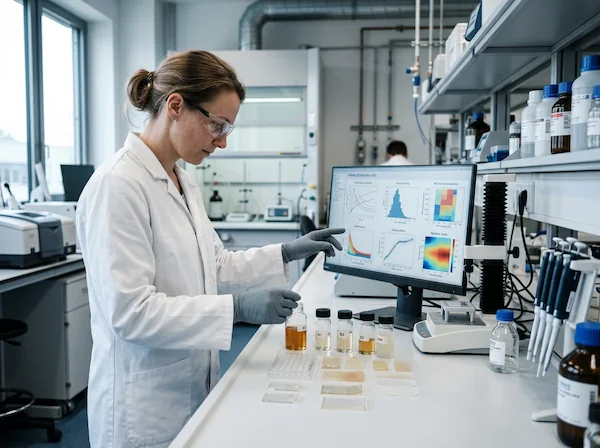
Improving a target property can affect other performance or processing characteristics.
Epoxy formulations often need greater crack resistance and stress relaxation while retaining hardness and adhesion. CFRP matrix resins must balance interlaminar toughness with impregnation, viscosity, and tack during prepreg processing. Coatings and adhesives require a balance of substrate adhesion, dispersion stability, coatability, and surface quality, while thermal-release applications must provide secure holding during processing and reliable release after heating.
Defining these requirements narrows formulation options efficiently.
Select the mechanism that matches your formulation objective.
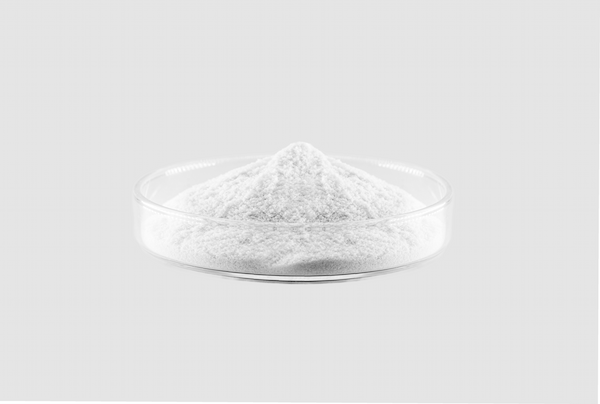
S-LEC™ BK Series uses the molecular structure and functional groups of polyvinyl acetal resins to modify thermosetting systems such as epoxy formulations. It can adjust toughness, interfacial adhesion, stress relaxation, viscosity, and tack.

ADVANCELL™ consists of thermally expandable particles. When heated, the shell softens and the encapsulated component expands to form cells. Grades with different particle sizes and expansion temperatures can be selected according to the processing temperature and target function. Potential applications include weight reduction, cushioning, surface modification, foam control, and heat-triggered release-force adjustment.
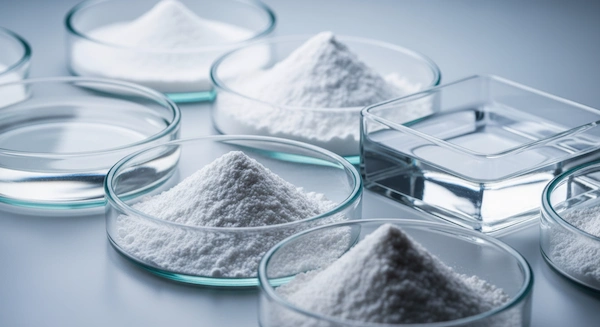
Grade selection should consider not only the target performance but also the resins, solvents, curing conditions, and processing temperatures used in the actual formulation.
For S-LEC™ BK Series, key factors include compatibility with the base resin, molecular weight, hydroxyl content, solubility, and viscosity impact. For ADVANCELL™, the main considerations include processing and expansion temperatures, particle size, desired foam structure, dispersion method, and supply form.
SEKISUI Specialty Chemicals can recommend candidate grades and an evaluation approach based on your application, formulation, target properties, and test methods to help you move forward with confidence.

This example involved coatings, adhesives, and sealing materials for automotive, construction, and industrial equipment applications. The formulation needed to balance substrate adhesion, dispersion stability, weight reduction, and surface smoothness. S-LEC™ BK Series was evaluated as a binder for coating and adhesive applications, while ADVANCELL™ supported weight reduction and uniform foaming in seals and elastomers. The two materials provide different formulation options that can be adjusted to the requirements of each application.
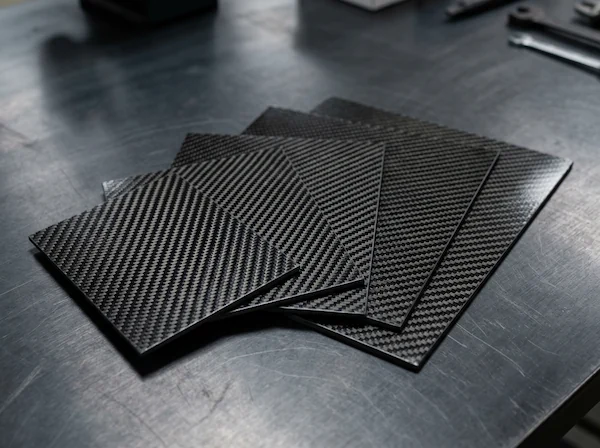
In this CFRP application for aircraft, automotive components, and industrial equipment, the formulation needed to address delamination and crack propagation while maintaining tack, viscosity, and storage stability during prepreg processing. S-LEC™ BK Series was incorporated into the epoxy matrix as a modifier to adjust interfacial adhesion and interlaminar fracture toughness while supporting impregnation and tack. The formulation was evaluated to achieve a balance between impact resistance and molding processability.

This application involved bonding and encapsulating substrates with different coefficients of thermal expansion, including metals, resins, and glass. Cracking and interfacial delamination after thermal cycling were key concerns. Adding S-LEC™ BK Series to the epoxy formulation helped adjust toughness and stress relaxation while retaining hardness. Under SEKISUI Specialty Chemicals’ evaluation conditions, impact resistance was approximately three times higher than that of the formulation without the additive. Actual performance depends on the formulation and evaluation conditions.
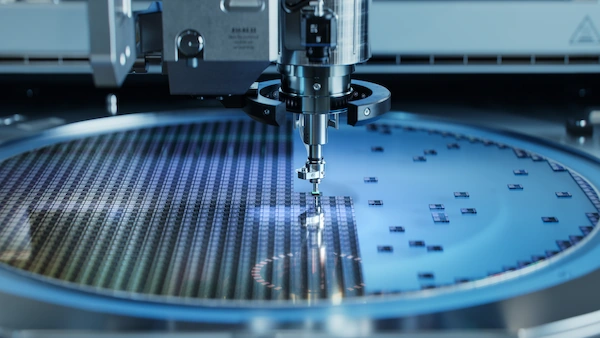
As semiconductor wafers and electronic components become thinner and smaller, process tapes must provide reliable holding during production, controlled release after heating, and reduced stress on the adherend. ADVANCELL™ was incorporated into the adhesive layer to use thermal expansion as a release trigger. The resulting internal change in the adhesive layer reduced release force after heating, supporting stable processing and removal while limiting adhesive residue and surface damage.
Q. What Are Functional Additives?
A. Functional additives help balance performance, processability, and reliability that may be difficult to achieve with the base resin alone. SEKISUI Specialty Chemicals offers S-LEC™ BK Series as a PVB-based modifier or binder and ADVANCELL™ as thermally expandable functional particles.
Q. Which Product Should I Select?
A. Consider S-LEC™ BK Series when targeting toughness, adhesion, dispersion, or leveling. ADVANCELL™ may be suitable for weight reduction, foam control, or release-force adjustment. We can recommend candidate grades based on your application, substrate, solvent, processing conditions, and target properties.
Q. Can These Products Be Added to Existing Formulations?
A. Compatibility depends on the resin, curing agent, solvent, dosage, and processing conditions. We recommend preliminary testing under conditions close to the actual formulation. SEKISUI Specialty Chemicals can assist with candidate-grade selection and evaluation planning.
Q. What Effects Can S-LEC™ BK Series Provide?
A. S-LEC™ BK Series can adjust toughness, interfacial adhesion, stress relaxation, and impact resistance. It may also support interlaminar fracture toughness in CFRP and crack resistance in cured epoxy systems. Results vary according to the formulation and evaluation conditions.
Q. Can ADVANCELL™ Expand Unintentionally During Processing?
A. Unintended expansion may occur if there is insufficient margin between the process temperature and the expansion onset temperature. Thermal exposure during storage, processing, or transportation may affect release force or product quality. Select a grade with an appropriate temperature margin for the actual process.
Q. What Information Is Needed for a Sample Request?
A. Please provide the application, substrate, solvent, base resin, curing agent, formulation ratio, processing or curing temperature, target properties, and current challenges. For foaming applications, process temperature, release temperature, and acceptable adhesive residue are also useful for selecting candidate grades.