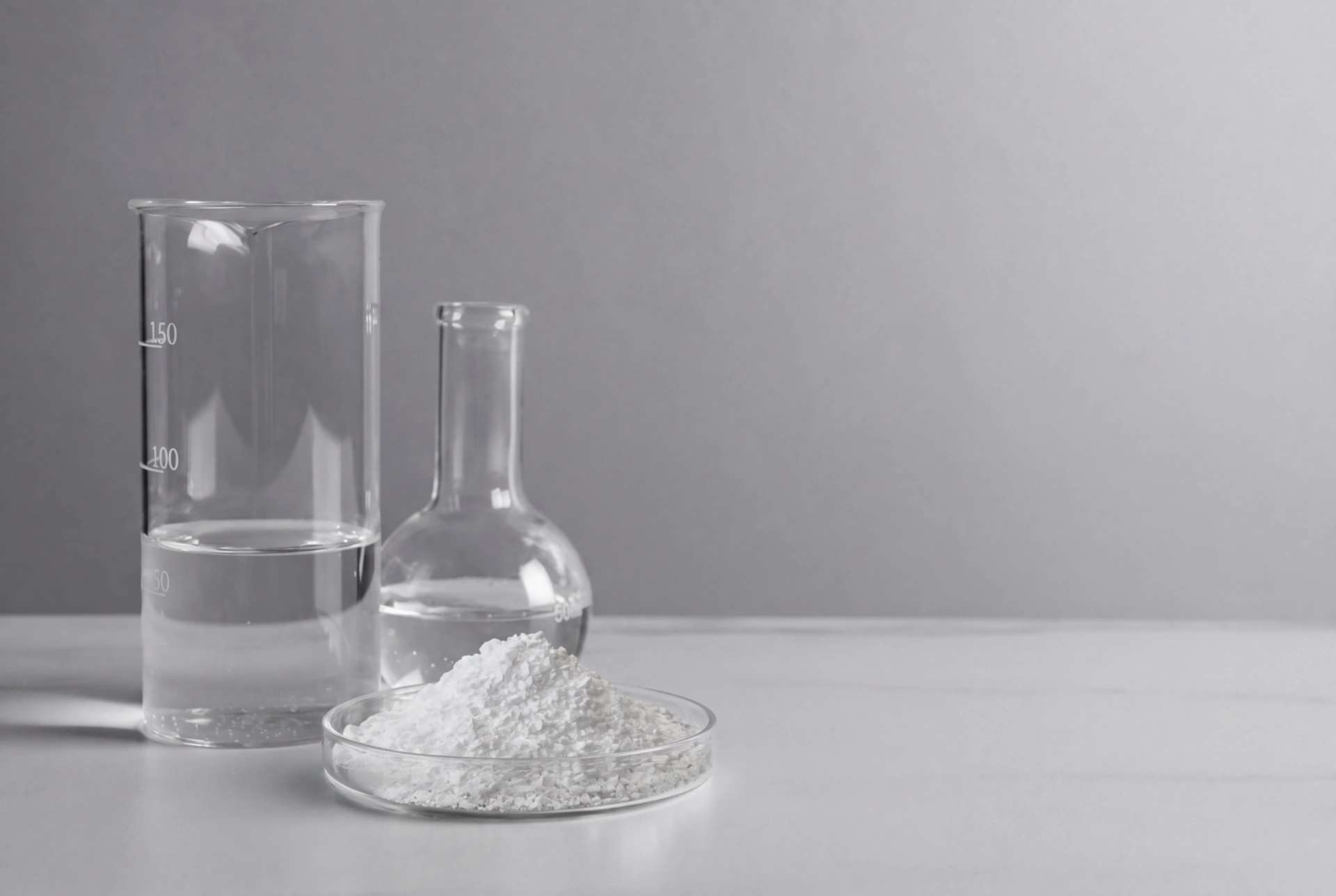

Handling performance is key in resin selection, along with product functionality. In manufacturing, stable material feeding, less dust, and consistent dissolution and dispersion improve process reliability.
SEKISUI Specialty Chemicals offers granulated PVB (Polyvinyl Butyral) resin in addition to conventional powder forms to address these challenges. By converting PVB into granules, we make it easier to handle during material feeding, reduce dust generation, and improve workplace conditions. We design particle size to enhance contact efficiency with solvents, which may improve dissolution and dispersion behavior. By selecting the optimal material form for each application, users can consistently reproduce product performance at scale.
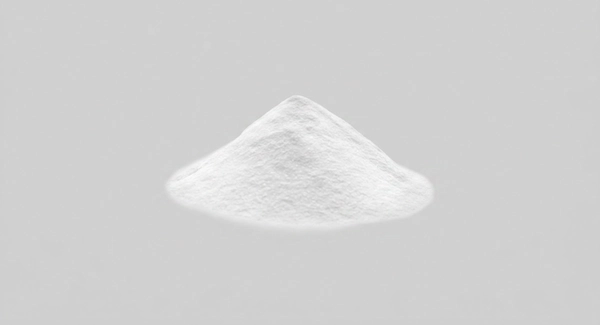
Powder-type resin processes, such as those using PVB, face key challenges: dust from material feeding, resin adhering to containers and equipment, and scattered materials. These lead to extra cleaning, higher contamination risks, and inconsistent feeding.
Powder condition and feeding methods can affect material-solvent interactions, thereby influencing dissolution rate and dispersion quality. These issues often intensify during scale-up from lab to production, making consistent process conditions essential. To ensure stable operation, assess both material properties and process compatibility throughout the feeding, dissolution, and dispersion steps.
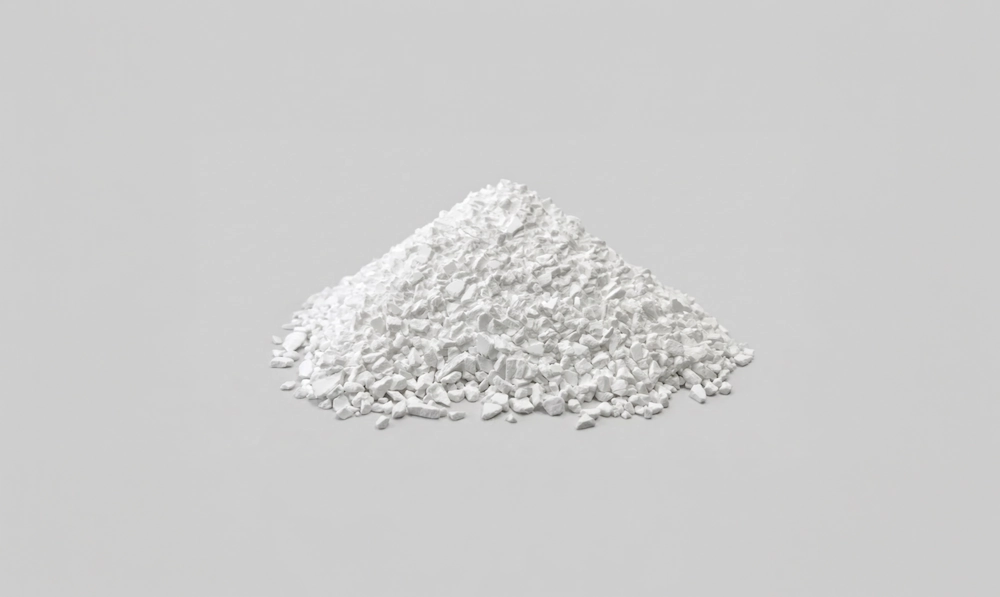
SEKISUI Specialty Chemicals proposes granulated PVB materials designed for performance and ease of use in manufacturing. Compared with powders, granules reduce dust and material scattering during handling. This improves operability and lowers the risk of contamination.
Optimizing particle size also increases contact efficiency with solvents, which may help improve dissolution and dispersion behavior. As a result, variation in dissolution and mixing processes can be reduced, supporting more stable process conditions and easier scale-up. By considering customers’ specific processing conditions—such as feeding methods, equipment, and required process stability—appropriate shapes and grades can be selected for each application.

Powder and granulated PVB forms each offer specific advantages based on use and process.
Powder types are common and easy to use in existing systems. However, they can cause dust or stickiness, depending on how they are handled.
Granulated PVB handles better by producing less dust and scatter. It feeds more efficiently and lowers contamination risks.
Controlled particle size improves solvent interactions, thereby enhancing dissolution and dispersion. When choosing a form, consider solvent, feeding method, mixing conditions, dissolution time, viscosity needs, and equipment handling. Granulated PVB availability depends on the product grade; contact us for details.
Q. How does granulated PVB differ from powder types?
A. Granulated PVB reduces dust generation and scattering during feeding compared with powders. It also helps improve workplace conditions and reduces material adhesion to equipment. Cleaning effort is lower. Particle size design may support improved dissolution and dispersion.
Q. In which processes should I consider granulated PVB?
A. Consider granulated PVB when dust occurs during feeding, materials stick to equipment, or dissolution and dispersion vary. It is also helpful when moving from laboratory evaluation to mass production and aiming for greater process stability.
Q. Does granulation always reduce dissolution time?
A. Dissolution time depends on more than material form. Solvent type, concentration, mixing, temperature, and feeding method also matter. Granulated PVB may boost solvent contact, but verify its effect in your process.
Q. Are all products available in granulated form?
A. Not all products and grades are available in granulated form. Granulated options primarily focus on PVB products, but availability varies by product type, grade, application, required volume, and evaluation conditions. Please contact us with your requirements for confirmation.
Q. What information should I provide for sample evaluation?
A. Please provide application, solvent, target concentration, feed amount, mixing and dissolution conditions, current challenges, existing material form, feeding method, and product grade. This information helps determine if powder or granulated types are more suitable.