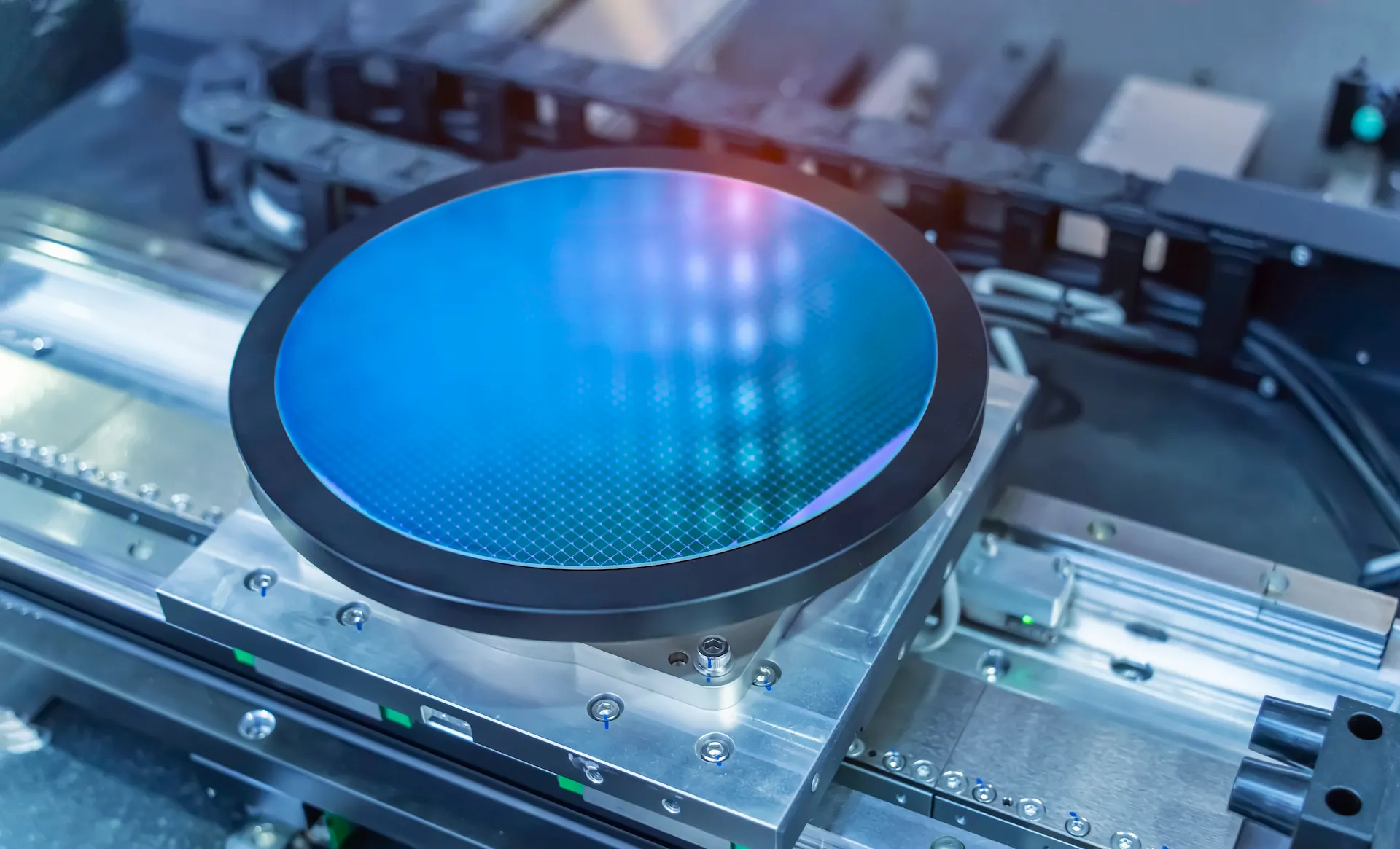
Electrostatic chucks hold wafers in semiconductor manufacturing by electrostatic attraction, requiring stable fixation under vacuum to minimize positional and temperature variation during dry etching and CVD. Ceramic materials are commonly used in electrostatic chucks, and the quality of the green sheet during manufacturing directly affects the reliability of the final component. Among these materials, the binder is particularly important, as it influences the sheet’s strength, flexibility, lamination adhesion, and debinding properties during sintering.
SEKISUI Specialty Chemicals supports this process by offering ceramic binder resins, including S-LEC™ BK (PVB-based) and AS (specialty acrylic) Series, tailored to a range of process and manufacturing requirements.
For ceramic green sheets used in electrostatic chucks, several performance factors must be balanced to achieve strong, flexible sheets with clean debinding during firing, including uniform formability, lamination adhesion, and handling strength.
Acrylic binders are often considered for their thermal decomposition characteristics; however, they may present challenges in achieving sufficient sheet strength depending on formulation and process conditions. In contrast, PVB-based binders can offer excellent strength and flexibility, though careful control is required to manage residual carbon after firing. Optimizing these trade-offs in alignment with forming, lamination, debinding, and firing processes is essential for reliable material selection.
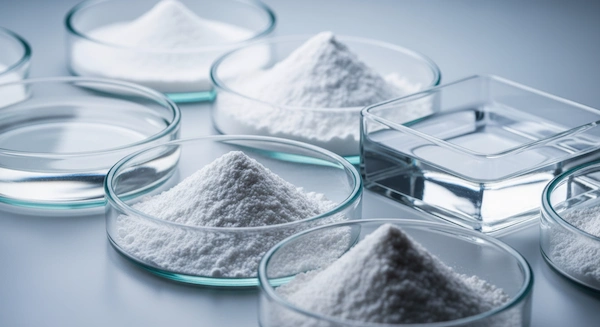
When challenges such as insufficient sheet strength or residual carbon affect electrical insulation performance, it is important to evaluate binder selection holistically.
S-LEC™ BK Series, based on PVB, is suited for processes that require strong, flexible green sheets. In contrast, S-LEC™ AS Series, a specialty acrylic binder, is designed for applications prioritizing low-temperature or nitrogen-atmosphere decomposition, reduced residual carbon, and good lamination adhesion. Some AS grades are also engineered to address strength limitations typical of conventional acrylic binders, enabling comparative evaluation based on process requirements.
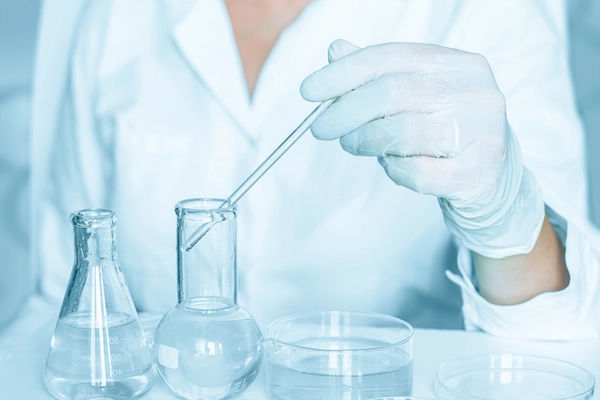
Both S-LEC™ BK and AS Series are viable binder candidates for ceramic green sheets in electrostatic chucks, but each material system addresses different process priorities. S-LEC™ BK Series is suitable for applications requiring high sheet strength and flexibility, such as large-area or thin-layer designs where handling performance is critical. S-LEC™ AS Series is more appropriate for processes that emphasize low-temperature debinding, decomposition under a nitrogen atmosphere, reduced residual carbon, and lamination adhesion.
Since performance depends on slurry formulation, sheet thickness, lamination conditions, and firing profiles, sample evaluation and technical consultation are recommended to support optimal selection.
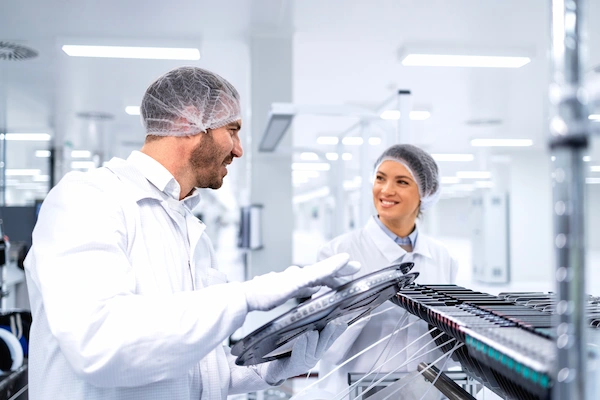
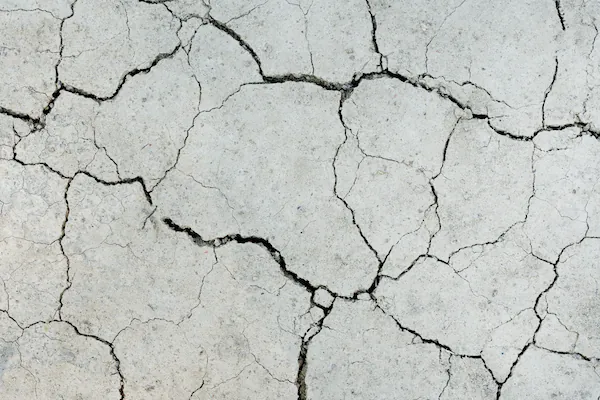
In the development of large electrostatic chuck components, key considerations include dielectric layer uniformity, lamination integrity, and crack prevention during handling. For example, while acrylic binders may be selected to reduce residual carbon, insufficient green sheet strength can lead to cracking during transfer or lamination. In such cases, evaluating alternative materials such as the S-LEC™ AS Series—designed to balance debinding characteristics with improved sheet strength—can be beneficial.
Since actual performance varies with slurry composition, drying conditions, lamination parameters, and firing profiles, a stepwise evaluation from laboratory testing to production-scale conditions is recommended.
Q. What is the difference between S-LEC™ BK and AS Series?
A. S-LEC™ BK Series is a PVB-based binder suitable for processes requiring high green sheet strength and flexibility. S-LEC™ AS Series is a specialty acrylic binder designed for applications that prioritize low-temperature debinding, low residual carbon, and strong lamination adhesion.
Q. When should I consider S-LEC™ BK Series?
A. It is suitable when handling performance is critical, such as in large or thin green sheets, where cracking or damage during transport is a concern.
Q. When should I consider S-LEC™ AS Series?
A. It is recommended when both debinding performance and improvements in sheet strength and lamination adhesion are required compared to conventional acrylic systems.
Q. What information should I provide for sample evaluation?
A. Sharing details such as application, currenat binder, slurry composition, sheet thickness, drying and lamination conditions, firing profile, and target properties helps enable more accurate material recommendations.