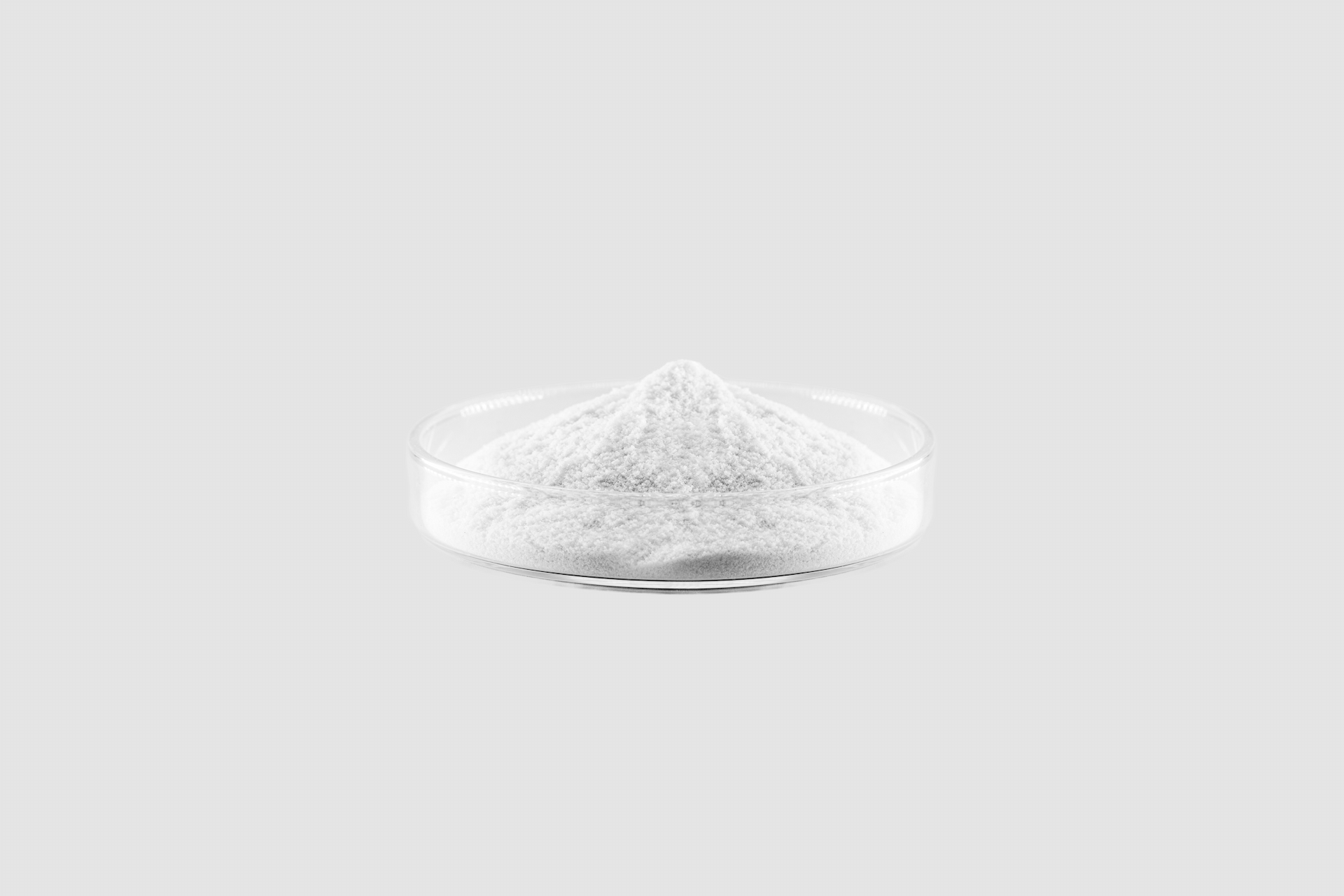
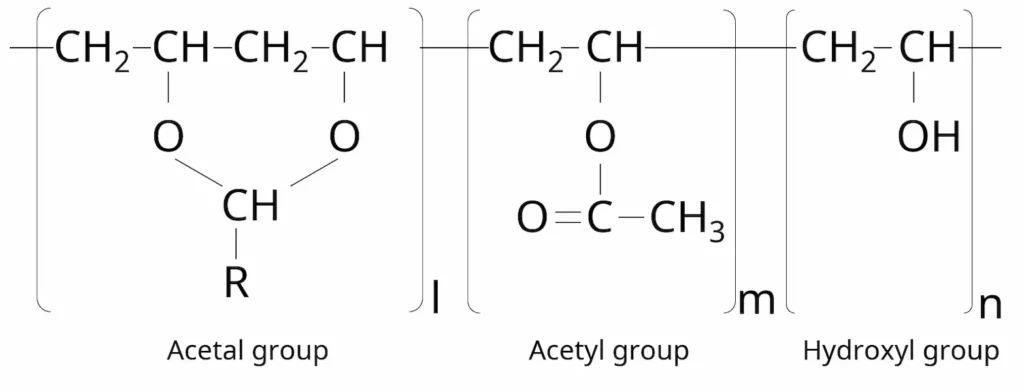
Polyvinyl butyral (PVB) is a thermoplastic functional resin produced by reacting polyvinyl alcohol (PVA/PVOH) with butyraldehyde under acidic conditions. Its primary benefits include excellent dispersibility, strong adhesion, and enhanced toughness, which can be optimized by modifying its formulation.
PVB is compatible with a wide range of organic solvents and can be blended with other resins, enhancing its adaptability across processing techniques and application demands. Due to this flexibility, PVB is widely used as an interlayer for laminated glass and as a binder in ceramics, adhesives, coatings, and inks, where a synergy of performance characteristics is essential.

SEKISUI Specialty Chemicals offers S-LEC™ B Series, a global PVB brand that balances dispersibility, adhesion, and toughness for specific applications and processing conditions. Based on experience in electronic materials and functional applications, the series supports material selection from a practical process perspective. The series guides dispersion of powders, sheet strength and flexibility during forming, adhesion to substrates, and impact on thermal processing steps.
Grades are available with different molecular weights, hydroxyl content, and glass transition temperatures (Tg), enabling comparative evaluation across ceramic type, solvent system, sheet thickness, and processing conditions. Detailed grade information is in the brochure.

When selecting PVB for your application, assess how dispersibility, adhesion, and toughness align with your process requirements.
Dispersibility ensures uniform mixing of ceramic powders, fillers, and pigments, resulting in a stable slurry or paste. Adhesion forms reliable interfaces with metals, glass, and ceramics. Toughness adds strength and flexibility, reducing cracking and chipping.
Also, check compatibility with solvent-based processes and suitability for thermal treatment during selection. Physical properties of S-LEC™ B Series are shown for reference and vary by grade.
| Item | Unit | Condition | Measured Value | Test Method |
| Moisture Content | wt.% | ― | ≤3 | Heat-drying moisture analyzer |
| 10% Solution Viscosity | mPa・s | 20℃ | 100~170 | Ethanol/Toluene (1/1) solution; rotational viscometer |
| Glass Transition Temperature | ℃ | – | 71 | DSC |
| Solvent Solubility | ― | Ethanol | Soluble | Resin concentration: 5 wt.% visually checked after dissolution |
| Acetone | Soluble | |||
| Ethyl Acetate | Soluble | |||
| Toluene | Partially Soluble | |||
| Xylene | Insoluble | |||
| Terpineol | Soluble | |||
| Elastic Modulus | MPa | 23℃ | 960 | Plasticizer-free film; tensile test |
| Upper Yield Stress | MPa | 23℃ | 55 | |
| Stress at Break | MPa | 23℃ | 58 | |
| Elongation at Break | % | 23℃ | 240 |
This data is for reference only and is not guaranteed.

S-LEC™ B Series offers solutions for diverse applications that demand a balance of dispersibility, adhesion, and toughness, with specific evaluation criteria tailored to each use.
For ceramic components such as MLCC, prioritize powder dispersion, sheet strength, forming flexibility, and handling stability before firing.
In adhesive applications, focus on compatibility with resins, adhesion, and stress relaxation.
For conductive pastes, inks, and coatings, emphasize uniform dispersion, coating stability, and film uniformity.
Relevant properties differ by application. The brochure organizes detailed evaluation points and grade selection guidelines by use case.
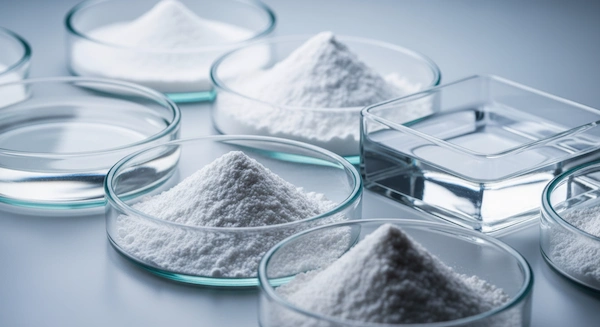
When considering PVB, other binder materials, such as PVA/PVOH and acrylic resins, are viable alternatives. PVA/PVOH handles well in aqueous processes, but you must evaluate moisture absorption and water resistance for your application. Acrylic resins offer design flexibility; however, you need to balance dispersibility, adhesion, flexibility, and thermal decomposition based on use.
PVB works well in solvent-based processes and enables easy balancing of performance properties. Choose the material based on your processing conditions and target performance; always evaluate under actual use conditions.
Q. What types of solvents are compatible?
A. S-LEC™ B Series is soluble or compatible with many organic solvents. Solubility varies depending on the grade, please refer to the brochure for details.
Q. How does PVB differ from PVA/PVOH or acrylic resins?
A. While the comparison depends on the application, PVB is often selected for its balanced dispersibility, adhesion, and toughness, particularly in solvent-based processes. PVA/PVOH and acrylic resins are also viable options and should be evaluated based on processing and performance requirements.
Q. What information do I need to request a sample evaluation?
A. Please provide application details, substrate type, solvent system, process conditions, required properties, and current challenges. More detailed information helps narrow down suitable grades and evaluation conditions.
Q. Where can I find detailed property data?
A. Representative properties and selection guidelines are available in the brochure. Final suitability should be evaluated under actual processing and formulation conditions.