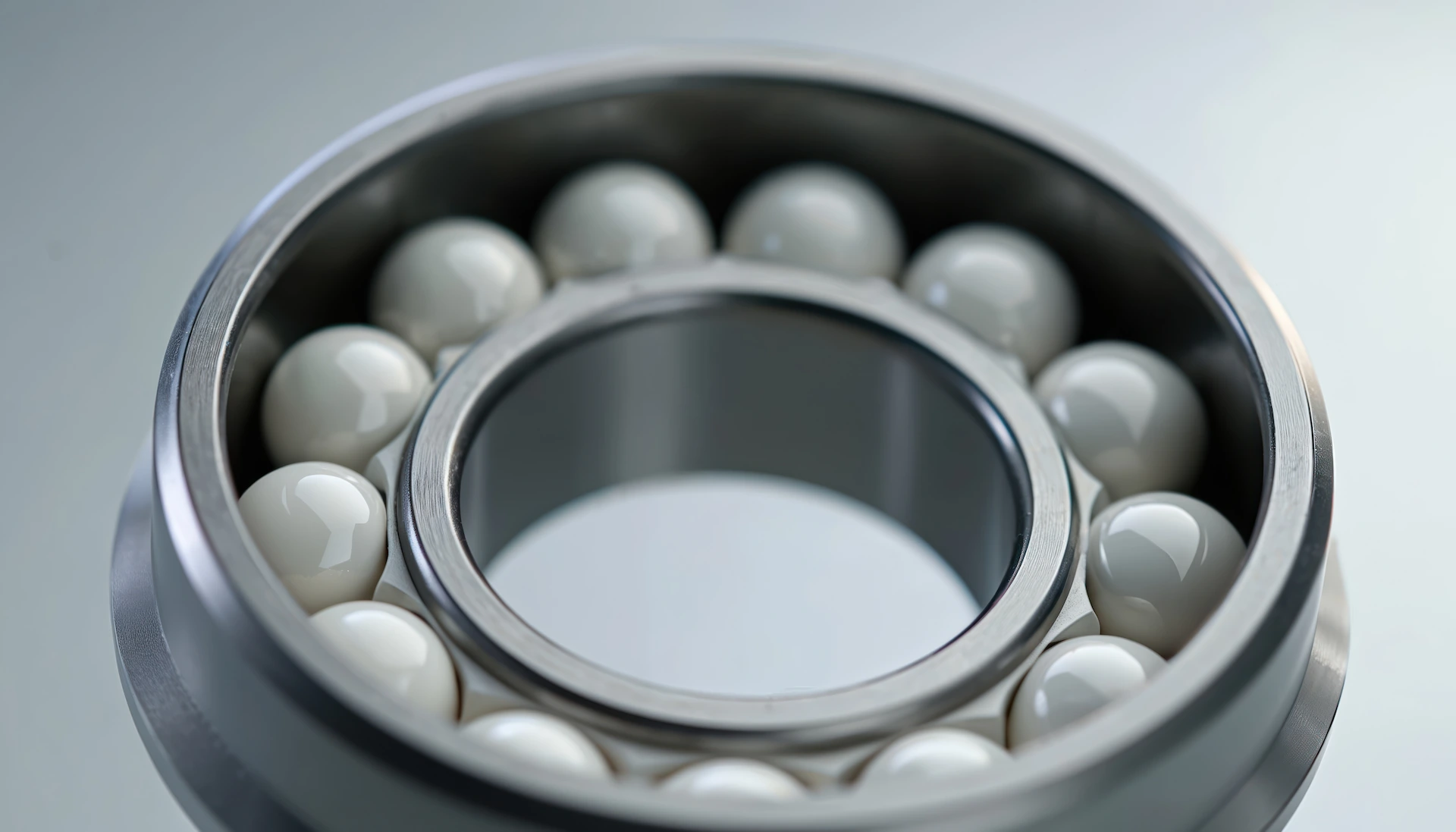
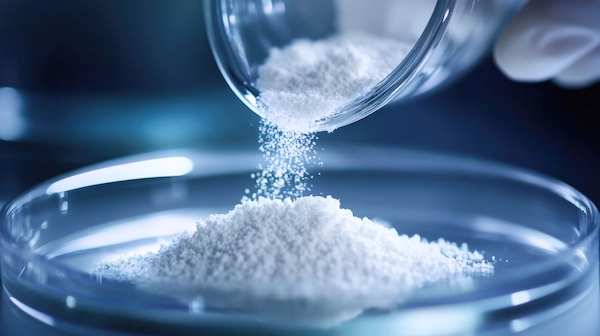
Ceramic granulation is the process of forming fine ceramic powders into spherical or granulated particles using binders and solvents, making them easier to handle during shaping processes. Granule characteristics such as shape, size distribution, flowability, and strength significantly influence mold filling, green body strength, and final product quality after sintering.
SEKISUI Specialty Chemicals supports binder selection by offering PVB resins suitable for both aqueous and solvent-based systems. Our approach considers slurry properties, granule stability, green strength, and clean binder removal during sintering, helping customers achieve more stable processing and consistent ceramic performance.

Fine ceramics are widely used in applications requiring heat resistance, insulation, thermal conductivity, wear resistance, and mechanical strength, including electronic components, semiconductor parts, and structural materials. Typical materials include alumina (Al₂O₃), zirconia (ZrO₂), aluminum nitride (AlN), silicon nitride (Si₃N₄), and silicon carbide (SiC).
Because fine powders often lack sufficient flowability and packing performance, they are granulated using binders and solvents to improve handling and processability. Each powder has unique characteristics, such as particle size, surface area, dispersion behavior, and sintering temperature, requiring careful design of granule shape, size distribution, strength, and binder removal properties.
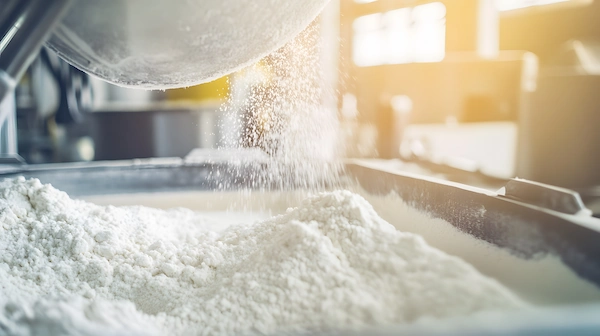
Binder properties affect all stages of ceramic granulation, from slurry preparation to sintering. In slurry formulation, key factors are dispersion stability, viscosity control, and solubility in water or organic solvents.
During granulation and drying, the binder affects granule shape, size, structure, and strength. These affect how easily granules flow and fill molds. In forming, binders provide strength and stability for handling. In debinding and sintering, binders must be removable without leaving residues or causing defects.
Choosing the right binder ensures process stability and consistent quality.
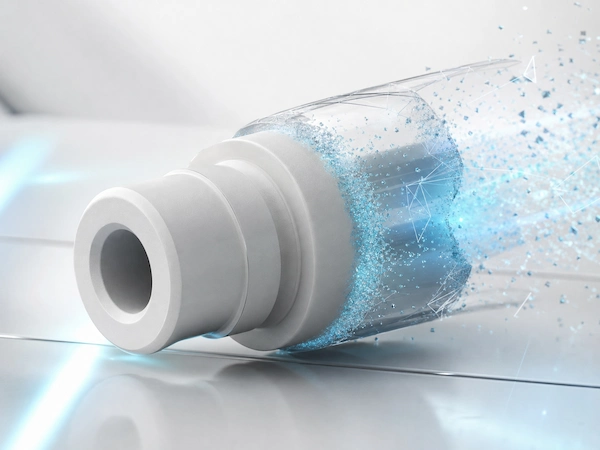
SEKISUI Specialty Chemicals offers supportive PVB resins for ceramic granulation, covering slurry preparation, granule formation, and sintering. Our products help address challenges such as viscosity variation, poor powder dispersion, non-spherical granules, voids, cracking, and inconsistent product quality.
By controlling molecular composition and weight, our PVB resins can be adjusted for solubility, viscosity, dispersion, binding, and green body strength. We help select binder grades based on powder type, formulation, drying, forming, and sintering, resulting in better granule quality and more stable processes.
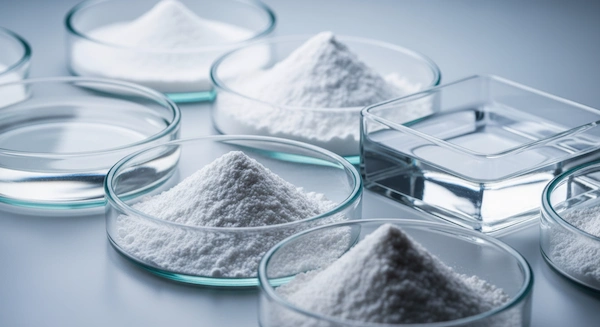
SEKISUI Specialty Chemicals offers PVB binder grades for both aqueous and solvent-based ceramic processing. S-LEC™ KW Series is tailored for water-based systems, enabling reduced solvent use and improved work environments. For solvent-based processes, S-LEC™ BK Series provides enhanced dispersion performance, binding strength, and green sheet strength when needed.
We guide binder selection by considering ceramic powder type, solvent and additive levels, viscosity, drying, forming method, and sintering conditions, ensuring the chosen grade meets process and performance needs.

PVB binders ensure granule shape stability, enhanced flowability, and optimal green sheet strength.
For ceramic balls, PVB binders help maintain consistent granule shape and minimize chipping during pressing, supporting better product quality through optimized slurry viscosity, dispersion, and binding performance.
In structural ceramics, PVB binders address green sheet strength by reducing damage during handling, highlighting the importance of tailored binder design.
For thick ceramic sheets, PVB binders enhance slurry properties, ensure stable coatings, and improve consistency in the sintered product.
The suitability of PVB binders depends on process conditions, such as powder type, formulation, drying, forming, and sintering performance, requiring evaluation in real production settings.
Q. What is Ceramic Granulation?
A. Ceramic granulation is the process of combining fine ceramic powders with binders and solvents to form spherical or granular particles that are easier to handle during forming. It improves flowability, packing behavior, and granule strength, which influence forming quality and final sintered properties.
Q. Are Water-soluble Grades Available?
A. Yes. Water-soluble PVB resins such as S-LEC™ KW Series are available. Suitability depends on processing conditions, including powder type, formulation, viscosity, and drying parameters, so evaluation under actual conditions is recommended.
Q. Are Solvent-Based Grades Available?
A. Yes. PVB resins such as S-LEC™ BK Series is designed for use in organic solvent systems. Suitable grades are selected based on solvent type, viscosity requirements, dispersion performance, and required green body strength.
Q. How Should I Select a Grade?
A. The optimal grade depends on target granule properties, slurry viscosity, green strength, and sintering conditions. Sharing details such as powder type, solvent, formulation, forming method, and processing conditions will help identify suitable candidates.
Q. Can I Request Samples?
A. Yes. For sample requests, please provide information on your application, powder type, solvent, formulation, target properties, and required sample quantity. Based on these details, we can propose suitable candidate materials for evaluation.