Selecting a functional material requires more than assessing resin properties. Substrates, formulation components, solvent- or water-based systems, and processes such as coating, drying, firing, and foaming directly affect material performance.
SEKISUI Specialty Chemicals enables material design for adhesion, dispersion, film formation, water-based formulation, sintering, foaming, and lightweighting using materials such as PVB, water-soluble polyvinyl acetal, PVA/PVOH, specialty acrylic binders, and expandable microspheres. If you have a material in mind or are refining candidates based on application or process needs, our brochures provide a practical starting point for your evaluation.
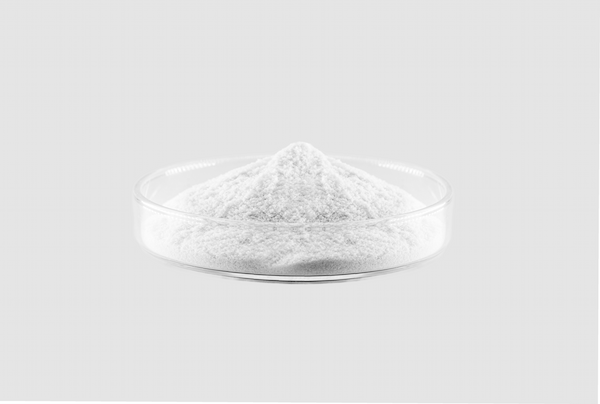
S-LEC™ BK Series, a Polyvinyl Butyral (PVB) thermoplastic resin, is formulated to deliver balanced adhesion, film formation, dispersion, and toughness. Its adjustable composition via acetal, acetyl, and hydroxyl groups supports performance tuning for specific application and formulation needs.
Targeted for solvent-based materials and resin blends, S-LEC™ BK Series is recommended for ceramic binders, adhesives, paints, and inks, where process stability and product quality are prioritized.
When switching to water-based materials, consider solvent reduction, formulation stability, coatability, film quality after drying, adhesion to substrates, and dispersion stability. S-LEC™ KW and KX Series, water-soluble polyvinyl acetal resins, enhance process reliability in aqueous formulations.
PVB is used in solvent-based systems for adhesion, dispersion, and film formation. PVA/PVOH is common in water-based systems. S-LEC™ KW and KX Series are suitable for balancing adhesion, film strength, flexibility, and dispersion stability in water-based processes.
PVA/PVOH (Polyvinyl Alcohol) resin is a functional polymer used in water-based formulations due to its water solubility, strong film-forming ability, and reliable adhesion. In applications such as water-based binders, dispersion agents, coatings, adhesives, paper treatment, and film manufacturing, key factors include film integrity after drying, substrate bonding, formulation stability with powders or fillers, and compatibility with processing conditions.
Compared to PVB and water-soluble polyvinyl acetal, PVA/PVOH is a versatile choice for diverse aqueous processes needing robust film formation, effective adhesion, dispersion stability, and process reliability.
Binder performance in firing processes for electronic and functional materials affects printability, coatability, green strength after drying, shape retention, decomposition behavior, and residue. For pastes, coated films, and formed sheets, evaluation of viscosity, coating behavior, printability, dry strength, and post-firing conditions depends on formulation components, processing methods, and firing conditions.
S-LEC™ AS Series is a specialty (meth)acrylic binder optimized for reliable decomposition, minimal residue, consistent printability, efficient coatability, and dependable green strength in low-temperature sintering. It is suitable for printing, coating, paste, and sheet-forming applications.
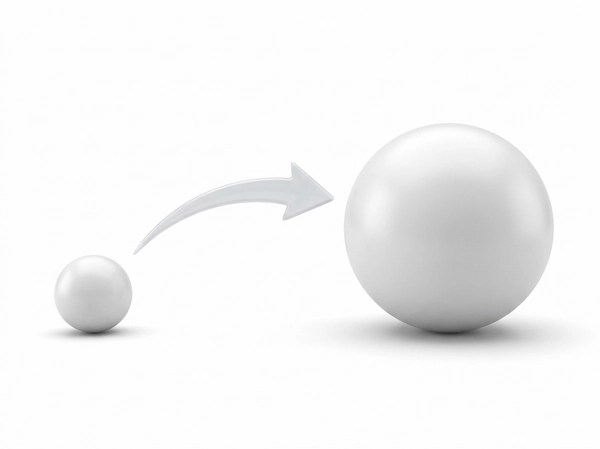
ADVANCELL™ is an expandable microsphere that expands when heated. It forms fine-bubble structures inside resins, coatings, sheets, and molded articles. It reduces material usage and weight. ADVANCELL™ provides functions such as thermal insulation, sound insulation, cushioning, tactile properties, and surface design.
Performance depends on particle expansion, formulation, dispersion, appearance, and processing conditions. Review these when designing materials. ADVANCELL™ is suitable for foamed products, lightweight sheets, building materials, automotive components, and industrial materials. Use it for lightweighting or functional enhancement.

PVB, water-soluble polyvinyl acetal, and PVA/PVOH can all be considered for adhesion, film formation, dispersion, and binder applications, but they differ in their preferred formulation systems and key evaluation criteria.
– PVB is often considered for solvent-based formulations or combinations with other resins where adhesion, dispersion, film formation, and toughness must be balanced.
– Water-soluble polyvinyl acetal is suitable when water-based formulation, substrate adhesion, film strength, flexibility, and dispersion stability are important.
– PVA/PVOH is widely used in aqueous processes, including as a binder, dispersion aid, coating, adhesive, and in paper or film processing.
Material suitability is not determined by resin properties alone. It depends on the substrate, formulation components, solvent-based or water-based conditions, processing steps such as coating, printing, drying, firing, or foaming, and the quality required in the final product.
To ensure the best material selection for your application, contact SEKISUI Specialty Chemicals early in your process. Our team will assist you with candidate material evaluations, grade selection, and sample testing tailored to your requirements. Reach out during formulation review or when considering water-based conversion, firing residue reduction, printability, coatability, foaming, or lightweighting improvements.
Q. Can I consult you before choosing a material?
A. Yes. Even if you have not selected a specific material, we can discuss candidate materials and evaluation steps based on your application, substrate, formulation conditions, processing method, and key performance requirements.
Q. How should I compare PVB, Water-Soluble Polyvinyl Acetal and PVA/PVOH?
PVB is often considered for solvent-based adhesion, dispersion, and film-forming applications. Water-soluble polyvinyl acetal is suitable when water-based formulation, adhesion, film strength, and flexibility are important. PVA/PVOH is widely used for film formation, adhesion, and dispersion support in aqueous systems.
Q. Can you support water-based conversion?
A. Yes. For water-based conversion, water-soluble polyvinyl acetal such as the S-LEC™ KW Series and KX Series, as well as PVA/PVOH, can be considered. Evaluation should include formulation stability, coatability, dried film quality, adhesion, and dispersion stability.
Q. Do you support ceramic and electronic binders?
A. Yes. PVB, specialty acrylic binders, and water-soluble polyvinyl acetal can be considered depending on your process. Key evaluation points may include dispersion, green strength, printability, coatability, decomposition behavior, and residue after firing.
Q. Which material supports foaming and lightweighting?
A. ADVANCELL™ expandable microspheres can be considered for foaming and lightweighting. By using heat expansion, they can help create fine void structures and support functions such as insulation, sound control, cushioning, texture, and surface design.
Q. Can you support sample and grade evaluation?
A. Yes. We can discuss candidate materials, grade selection, and sample evaluation after reviewing your application, formulation, substrate, processing method, drying, firing or foaming conditions, and the performance items you want to evaluate.