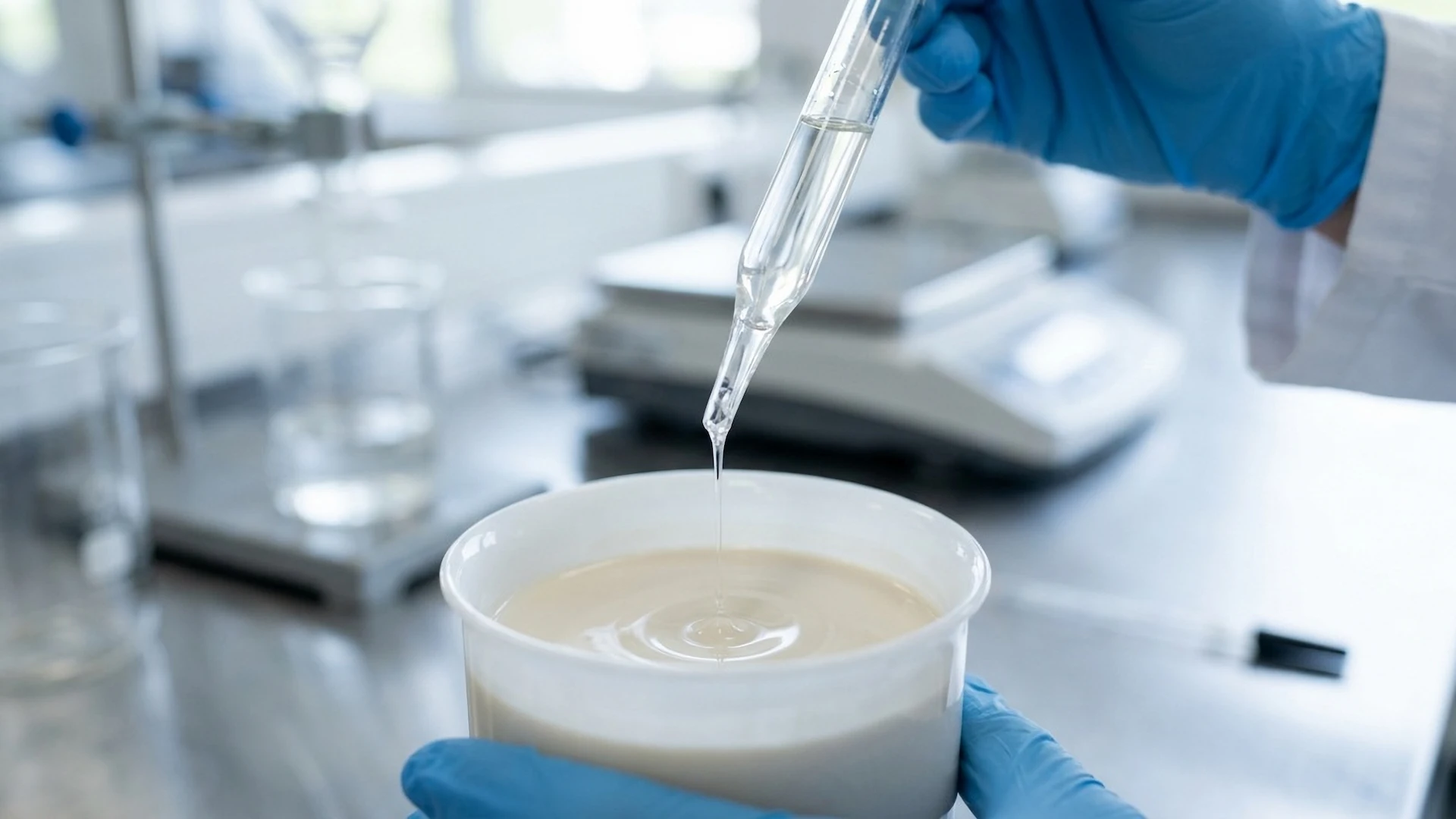

In ceramic green sheet production, the type and loading of plasticizers affect slurry flow, sheet flexibility, strength, transportability, punching, and lamination. An unsuitable loading can make sheets brittle or excessively soft and can cause changes in properties during processing. Selection should consider the PVB grade, ceramic powder, solvent, forming method, and drying conditions.
S-LEC™ G Series is a range of non-phthalate plasticizers designed for ceramic green sheets. SEKISUI Specialty Chemicals can suggest starting combinations and loading levels based on your formulation, process, debinding conditions, and current challenges.
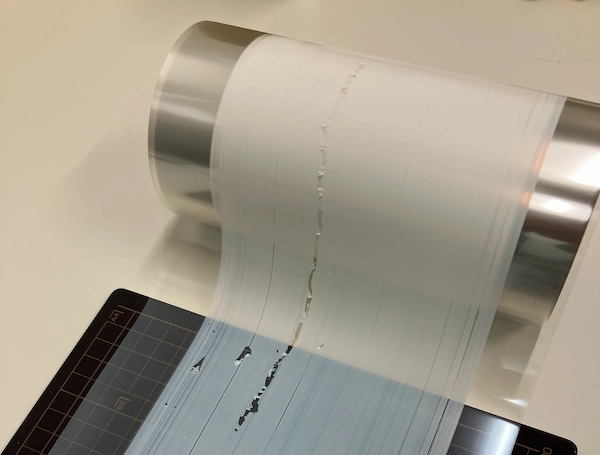
Ceramic green sheets require a balance of properties beyond flexibility after drying. Cracking or deformation during transport, edge damage during punching, and handling during lamination can all affect downstream processing. Plasticizer type and loading influence these characteristics, but suitable conditions depend on the ceramic powder, PVB grade, solvent, sheet thickness, coating and drying methods, and debinding and firing conditions.
S-LEC™ G Series can be evaluated when sheets are brittle, deform too easily, or require adjustments in flow and lamination handling. We can recommend practical starting points based on your formulation and process conditions.
S-LEC™ G Series comprises non-phthalate plasticizers designed for use with PVB in ceramic green sheet formulations. Adding the plasticizer can help adjust formulation flow and the flexibility of dried sheets while allowing sheet strength to be evaluated. Required properties vary across transport, punching, and lamination processes. Evaluation should therefore cover the PVB grade and plasticizer loading, together with the powder type and particle size, the solvent composition, the coating, and the drying conditions.
SEKISUI Specialty Chemicals can suggest candidate PVB and plasticizer combinations, as well as initial loading levels, based on your materials, process conditions, and current challenges.
When considering a switch to S-LEC™ G Series, evaluate more than whether the plasticizer is phthalate or non-phthalate. Key factors include compatibility with PVB, plasticizing effect, volatility, sheet strength after drying, flow, lamination behavior, and debinding performance. Formulations using DOP or DBP should consider non-phthalate alternatives in response to regulatory requirements or customer chemical-management standards.
However, using the same loading does not provide equivalent properties or processing behavior. The same applies when switching from another non-phthalate plasticizer such as DOA. Testing should include plasticizer loading, PVB grade, and drying conditions.
Q. What is S-LEC™ G Series?
A. S-LEC™ G Series comprises non-phthalate plasticizers designed for use with PVB in ceramic green sheet formulations. It can be evaluated to adjust formulation flow and balance the flexibility and strength of dried sheets.
Q. Can it be used for ceramic sheets other than MLCCs?
A. It may also be considered for other ceramic green sheets. Suitability depends on the powder type and particle size, PVB grade, solvent, sheet thickness, forming method, and debinding and firing conditions. We can suggest evaluation candidates after reviewing your application and process conditions.
Q. Can DOP, DBP, or DOA be replaced at the same loading?
A. Not necessarily. Compatibility with PVB, plasticizing effect, volatility, flow, sheet strength, lamination behavior, and debinding performance vary by plasticizer. The loading and drying conditions should be evaluated for each formulation.
Q. Which solvents can be used?
A. Suitability depends on the complete formulation, including the solvent, PVB grade, powder, dispersant, and other additives. Please share your intended solvent and formulation conditions so that we can review the available information and assess applicability.
Q. What is the recommended loading?
A. The appropriate loading depends on the required sheet properties, PVB grade, powder content, solvent, and drying conditions. Catalog data can provide a starting point, but the final loading should be determined through evaluation in the intended formulation and process.
Q. Are samples available?
A. Please contact us to discuss sample availability. Sharing the application, PVB grade, powder, solvent, current plasticizer, loading, forming method, and target challenge will help us review applicability and propose suitable evaluation candidates. We look forward to supporting your evaluation.