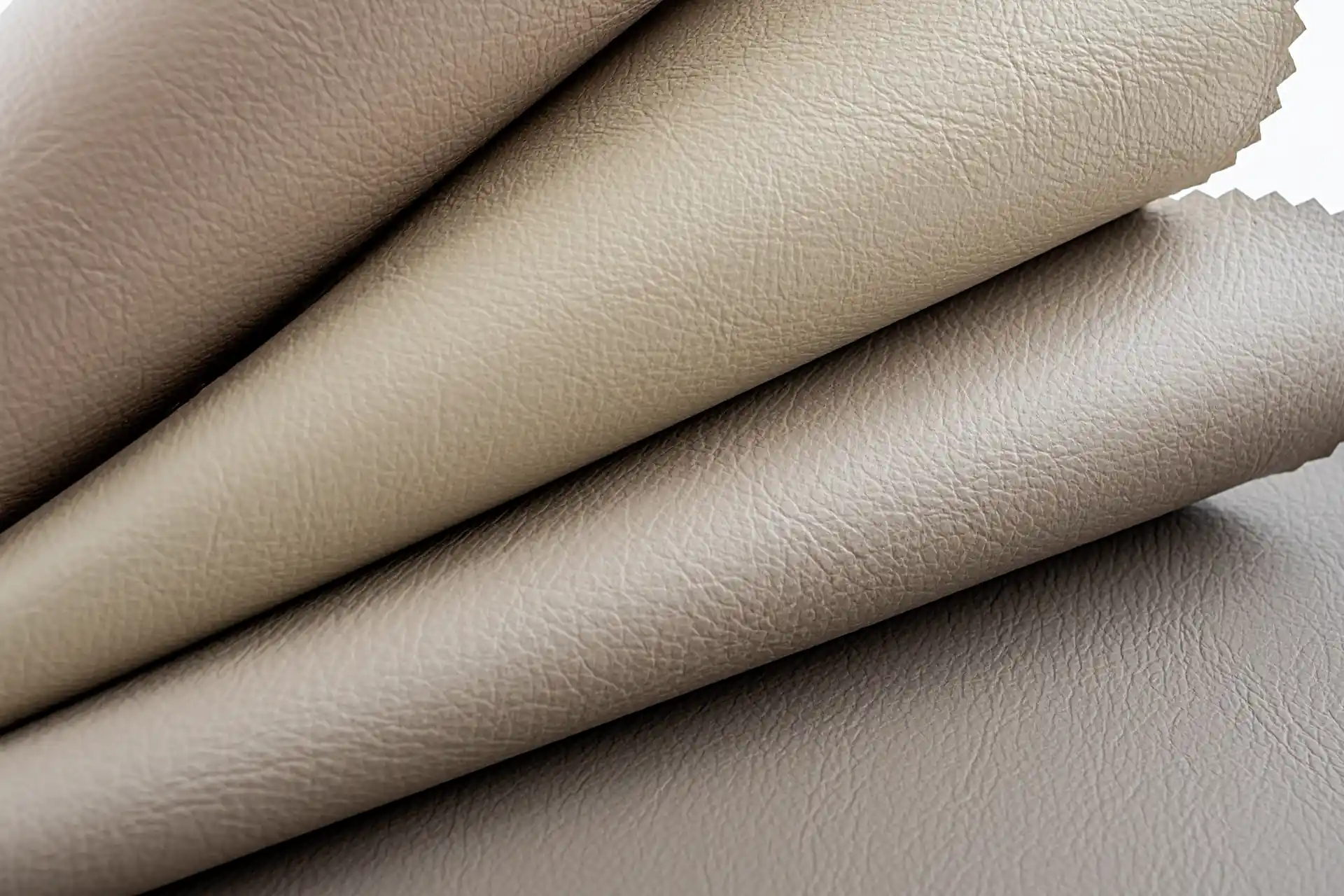
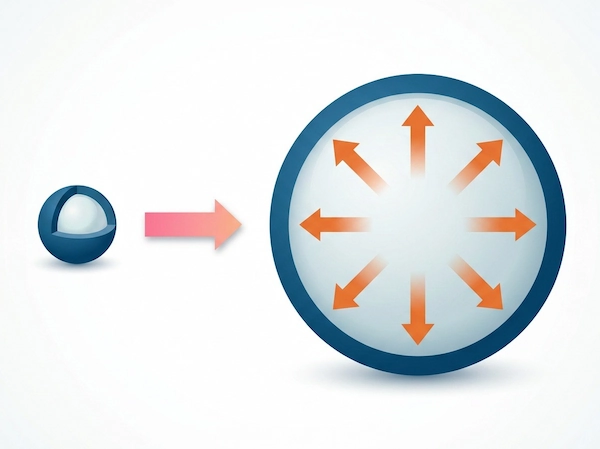
ADVANCELL™ is a thermally expandable microsphere from SEKISUI Specialty Chemicals, designed to enhance the softness, cushioning, thickness perception, and appearance of thin synthetic leather layers.
ADVANCELL™ improves tactile feel, appearance, cushioning, and odor in synthetic leather for automotive, footwear, bag, and furniture applications. Its foaming design helps reduce surface defects and wrinkles and minimizes odor compared to conventional methods.
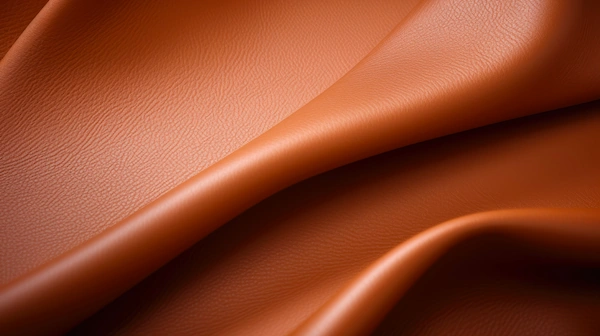
In thin synthetic leather applications, controlling the foam structure within a limited thickness is essential to achieve a balanced combination. In thin synthetic leather applications, you must control the foam structure within a limited thickness to achieve a balanced combination of tactile feel, perceived thickness, appearance, odor control, and processing stability. This balance becomes especially important for products such as automotive seats, furniture, shoes, and bags that people frequently touch and come into close contact with.
While chemical foaming agents are widely used, they may present challenges depending on formulation and processing conditions. The main benefit of ADVANCELL™ is providing an alternative approach to foaming design, enabling simultaneous consideration of softness, cushioning, appearance quality, and odor reduction.
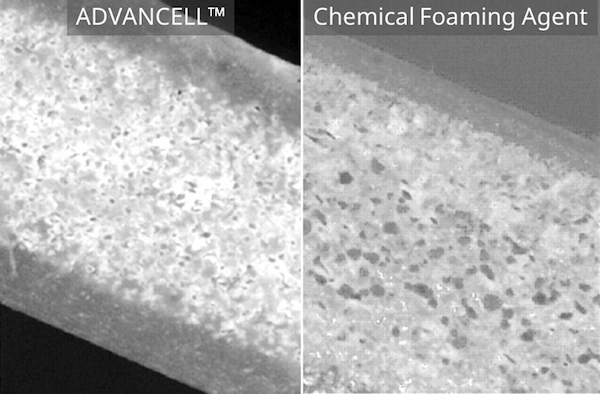
Both ADVANCELL™ and chemical blowing agents introduce a foamed structure into materials, but their mechanisms and resulting cell structures differ. Chemical blowing agents generate gas through thermal decomposition, so many manufacturers have adopted them. However, these agents may cause challenges, such as decomposition byproducts, odor, and variability in cell structure, depending on the application.
In contrast, ADVANCELL™ forms uniform, closed-cell structures. In synthetic leather applications, rather than a simple replacement, it is effective to evaluate ADVANCELL™ through full or partial substitution, or in combination with existing systems, considering overall performance, including appearance, tactile feel, odor, cushioning, wrinkle reduction, and processing stability.

Selecting the appropriate ADVANCELL™ grade depends on the molding method, base resin, product thickness, processing temperature, and target foam characteristics. For example, in casting processes—particularly for automotive applications—factories use ADVANCELL™ to stabilize foaming behavior and improve surface appearance in thin layers. In contrast, during calender molding, where chemical blowing agents have traditionally been the primary choice, exploring the use of foaming particles as a replacement or in combination with these agents may lead to reduced odor and improved cell structure.
For extrusion, masterbatch grades can be evaluated across various resin systems and temperature conditions. By sharing your application, processing parameters, and target improvements, you enable more precise grade recommendations and evaluation conditions.
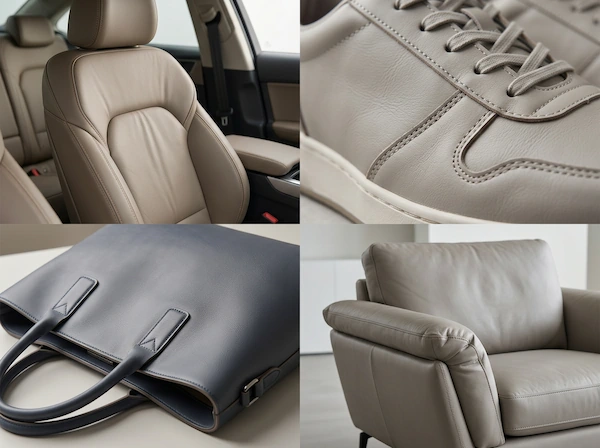
ADVANCELL™ is suitable for a wide range of synthetic leather applications, including automotive seats, footwear, bags, and furniture. Each application demands specific performance characteristics based on how people use and experience the material. For automotive seats and footwear, wear, flexibility, cushioning during walking, and reduced wrinkling at flex points are important. In contrast, for bags, perceived thickness, surface feel, shape retention, and appearance stability are key requirements. For furniture, seating comfort, surface texture, durability, and long-term appearance are critical factors.
ADVANCELL™ addresses these challenges and requirements by combining suitable grades and processing methods.
Q. What types of synthetic leather can I use ADVANCELL™ for?
A.You can consider it for applications such as automotive seats, footwear, bags, and furniture, where thin materials require high tactile and appearance quality. Compatibility depends on resin type, thickness, molding method, and processing temperature, so evaluation under actual conditions is recommended.
Q. What are the main benefits of synthetic leather applications?
A. The main benefit of ADVANCELL™ in synthetic leather applications is improving tactile feel, adding cushioning, adjusting thickness perception, reducing odor, minimizing wrinkles, and enhancing appearance quality. Performance varies by formulation and process, so comparative evaluation with current systems is recommended.
Q. How does it differ from chemical blowing agents?
A.Chemical blowing agents generate gas through decomposition, while ADVANCELL™ expands as particles when heated. This physical foaming approach helps achieve uniform closed cells and can support odor and residue reduction.
Q. Can I use ADVANCELL™ for thin synthetic leather?
A.It can be considered for very thin materials at the sub-millimeter level. However, thin layers are sensitive to uneven foaming and surface. You can use ADVANCELL™ for very thin materials at the sub-millimeter level. However, thin layers are sensitive to uneven foaming and surface defects, so carefully optimize your formulation and processing conditions, using chemical blowing agents. It may help reduce odor and improve foam structure, depending on conditions.
Q. Can I use ADVANCELL™ in calendering processes?
A. For calendering processes, we offer grades that can be considered as replacements for conventional chemical blowing agents in applications where they have traditionally been the primary choice. While these grades are expected to reduce odor and improve the foam structure, evaluation is required based on the resin used, processing temperature, and target thickness.
Q. Can I use ADVANCELL™ in casting processes?
A. Yes, it is being evaluated particularly in automotive casting applications. It can help stabilize foaming and improve quality in thin layers. You can evaluate ADVANCELL™ in automotive casting applications. With the right grade, you can stabilize foaming and improve quality in thin layers, temperature, and target foam characteristics.
Q. What information should I provide when requesting samples?
A. Please share your application, resin type, molding method, thickness, processing temperature, current foaming agent, target improvements, and desired properties. More detailed information allows us to make more accurate recommendations.