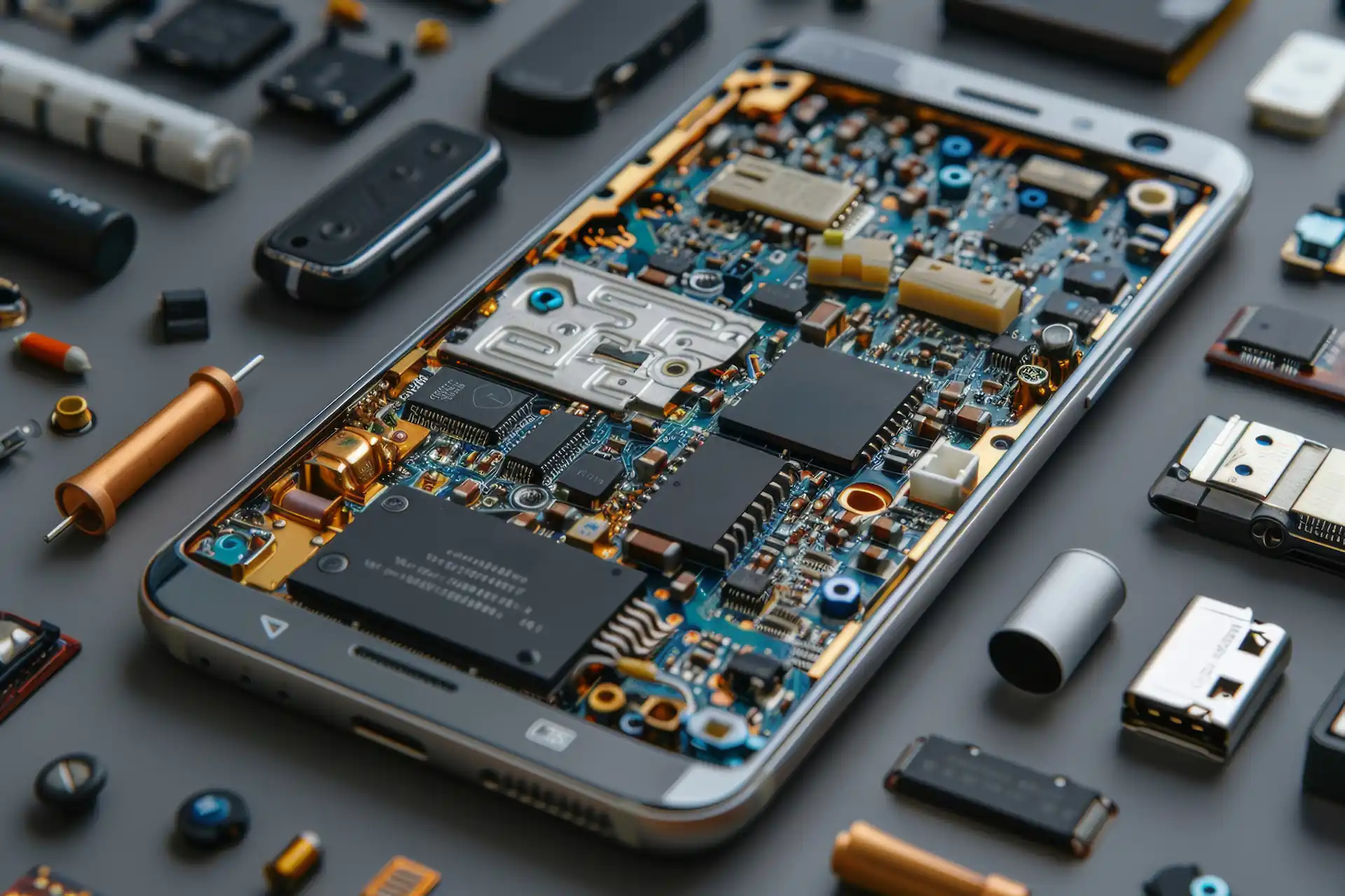
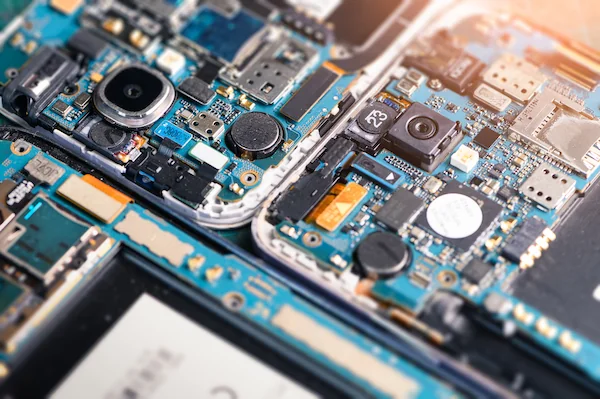
As smartphones and other devices shrink and add more functionality to become integrated internal flow channels and hollow structures. Traditional machining, assembly, and bonding often struggle with complex internal geometries, leading to more components, additional manufacturing steps, leakage risks, and greater variation.
The core molding process offers an alternative approach by using removable sacrificial cores to form intricate internal structures in a single molding step. Ultiloc™ P Series from SEKISUI Specialty Chemicals is a water-soluble PVA/PVOH (Polyvinyl Alcohol) based core material with high heat resistance, enabling evaluation of core processes even in molding environments where conventional PVA/PVOH materials may struggle.
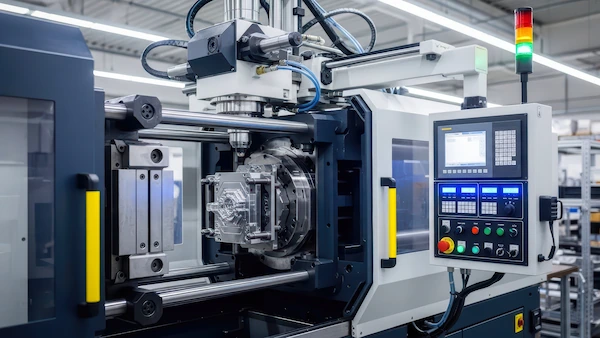
Lost core materials used in molding must keep their shape under heat and pressure, and allow easy removal after forming without damaging internal structures. Conventional PVA/PVOH materials dissolve well in water but may lack heat resistance, especially at higher molding temperatures.
Core deformation can cause dimensional errors, surface defects, and longer removal times. Injection molding exposes cores to high temperatures (200–250°C or higher). For thin or detailed structures, tight tolerances (+/-0.05mm) demand stable dimensions. Balancing heat resistance, strength, and water removability is essential for consistent production.
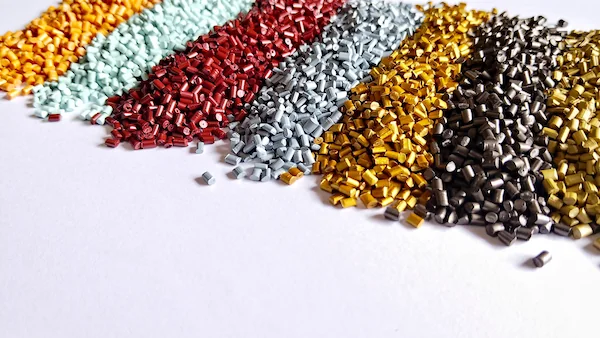
Ultiloc™ P Series is a water-soluble PVA/PVOH-based material with enhanced heat resistance. Conventional PVA/PVOH cores may deform under elevated molding temperatures. Ultiloc™ P Series balances thermal stability, shape retention, and removal performance.
Ultiloc™ P Series offers manufacturers three key benefits: it resists deformation during molding, enables the creation of complex internal geometries such as curved channels and branched flow paths, and supports environmentally conscious manufacturing by allowing water-based removal without reliance on organic solvents.
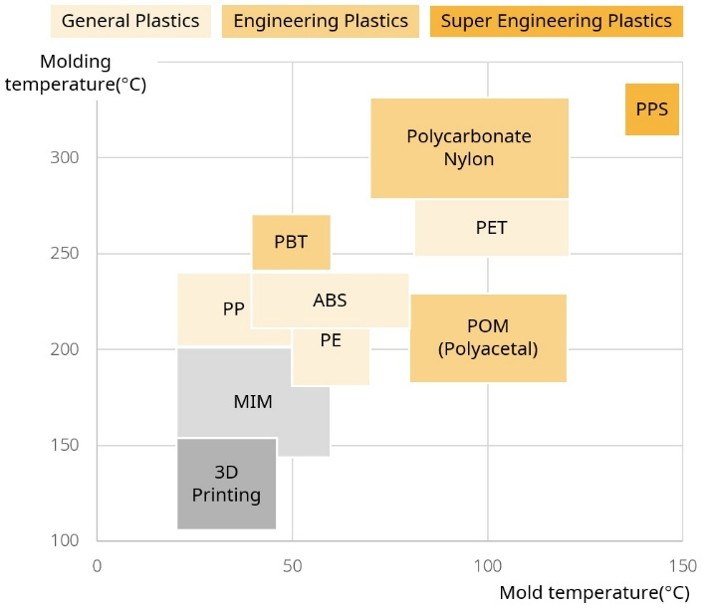
Ultiloc™ P Series offers PVA/PVOH-based lost core grades, selectable by molding materials, temperature, structure, or removal conditions. Suitable options cover 3D printing, MIM (Metal Injection Molding), general-purpose resins, engineering plastics, and super engineering plastics.
Even within the same molding material, optimal core design may vary depending on wall thickness, flow path length, internal geometry, presence of openings, and removal constraints such as temperature and processing time. By sharing your molding conditions and design requirements, SEKISUI Specialty Chemicals can propose appropriate material grades tailored to your application.
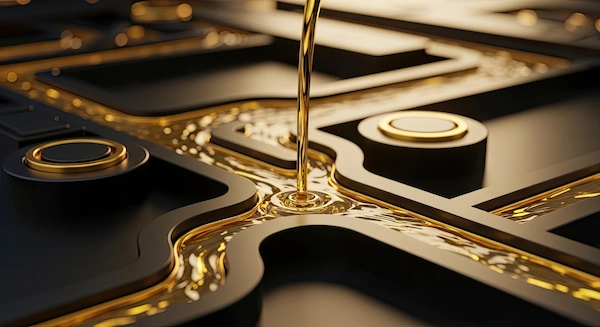
Ultiloc™ P Series is suitable for designs requiring continuous internal flow channels with curves or branches. Conventional manufacturing methods often struggle with these features. Machining or bonding limits tool accessibility, restricting curvature, branching geometry, and design flexibility. These processes also increase the risk of leakage at joints and dimensional variation.
Pre-molding Ultiloc™ P Series as a lost core, overmolding the material, and removing the core through a water-based process creates complex internal structures in a single step. This improves design freedom, reduces assembly risks, simplifies manufacturing, and enables use with high-temperature molding materials.
Q. What is the main advantage of Ultiloc™ P Series?
A. Its primary advantage is combining high heat resistance with water solubility. This enables broader application of the lost core process compared to conventional PVA/PVOH core materials.
Q. How do I use Ultiloc™ P Series in the lost core process?
A. Ultiloc™ P Series is preformed as a lost core. Resin or paste materials are overmolded around it. After molding, the core dissolves and is removed using water-based or hot-water treatment, forming internal flow channels or hollow structures. This process—core molding, overmolding, and core removal—enables integrated molding of complex internal structures that are hard to produce by machining, cutting, or bonding.
Q. What is the main difference between Ultiloc™ P Series and conventional PVA/PVOH lost core materials?
A. Conventional PVA/PVOH lost-core materials are highly water-soluble but lack heat resistance, causing deformation during high-temperature molding. Ultiloc™ P Series is a PVA/PVOH-based lost-core material built for high heat resistance. It is ideal for applications requiring higher molding temperatures, such as engineering and super engineering plastics.
Q. What are the advantages of lost core process over conventional ones?
A. Machining, cutting, and bonding limit tool access and bonding options, restricting design flexibility for curved flow paths and complex hollow shapes. The core process allows easier design of intricate internal shapes than other molding or machining methods. Its removable cores enable pre-formed internal structures.
Q. What are the benefits of water solubility?
A. Because it is water-soluble, the core can be removed using a water-based process after molding. This reduces environmental impact and workload compared to solvent-based removal. Water-based removal is also possible for shapes that are difficult to reach with tools or by hand, such as internal flow channels, when conditions allow.
Q. Which grade should I select?
A. The optimal type depends on factors like molding material, temperature, wall thickness, channel length, geometry complexity, openings, and removal temperature and time. For general-purpose, engineering, and super engineering plastics, heat resistance and dimensional stability requirements differ. Material selection should match application conditions. Ultiloc™ P Series offers multiple options for various temperature ranges and removal conditions. We guide material choice after confirming molding and removal needs, so consult us early in your design.