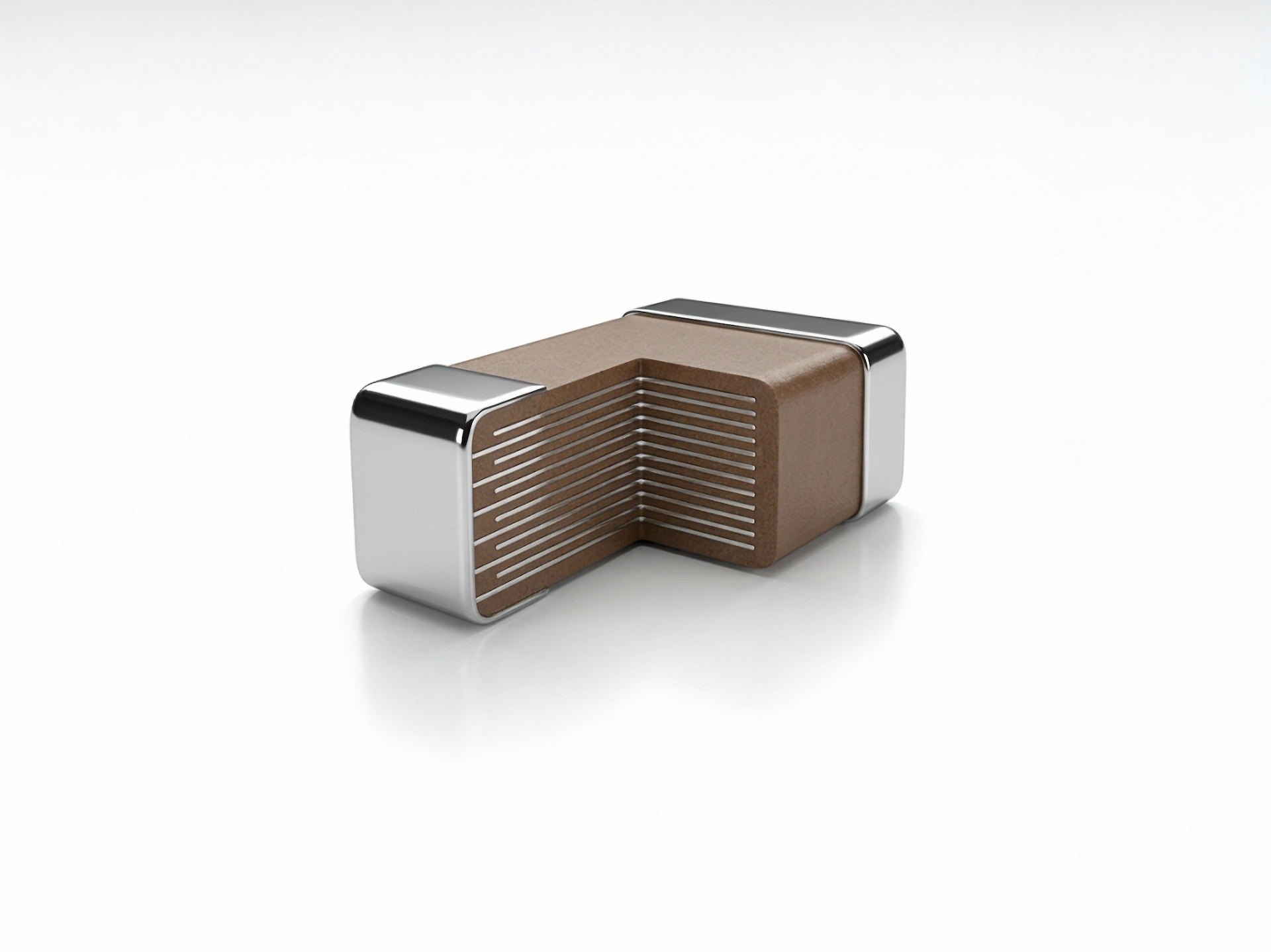
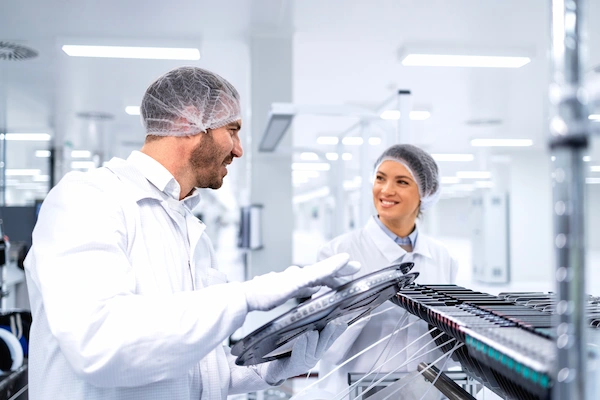
MLCC production involves precision steps, such as green sheet formation, electrode printing, lamination, sintering, and external electrode formation. Each step requires different binder traits, such as dispersion stability, mechanical strength, flexibility, print performance, adhesion, and clean burnout. Optimizing materials step by step can cause inconsistencies in adhesion, shrinkage, or sintering. Balanced process-wide material selection is vital for stable manufacturing.
With S-LEC™ BK, SV, and AS Series, we help customers choose materials balancing step needs and production consistency.
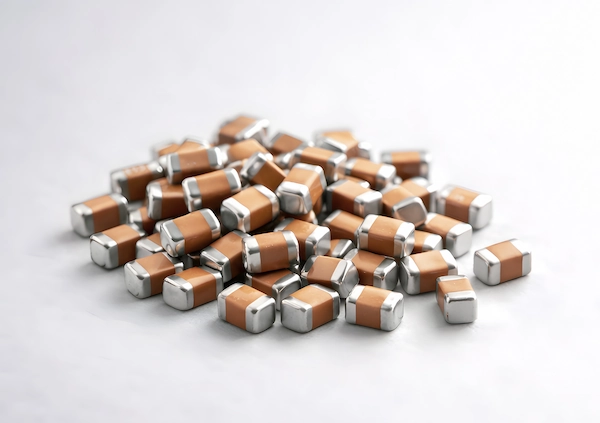
Binder selection for MLCC manufacturing should align with each process’s requirements and deliver essential benefits to subsequent steps.
In dielectric layers, binder choice directly enhances ceramic powder dispersion, green sheet strength and flexibility, reduces chipping or cracking during lamination and cutting, and improves debinding during firing.
For inner electrodes, optimal binders boost paste flow, help control stringing, support printed shape retention, and strengthen adhesion to the dielectric layer.
In outer electrodes, binders reinforce coating shape stability and ensure decomposition and residue management under inert atmospheres.
SEKISUI Specialty Chemicals supports customers in reviewing suitable material candidates for their formulations and process conditions.
SEKISUI Specialty Chemicals offers the S-LEC™ binder Series for key MLCC manufacturing processes. S-LEC™ BK Series improves green sheet forming stability in dielectric layer applications. S-LEC™ SV Series enhances printability and interlayer adhesion for inner electrode pastes. S-LEC™ AS Series ensures coating shape retention and minimizes residue for external electrode processes.
Leveraging our expertise, we collaborate with customers to identify optimal candidate materials and evaluation approaches for further testing—customized to your target process, powder or metal type, solvent system, and firing conditions.
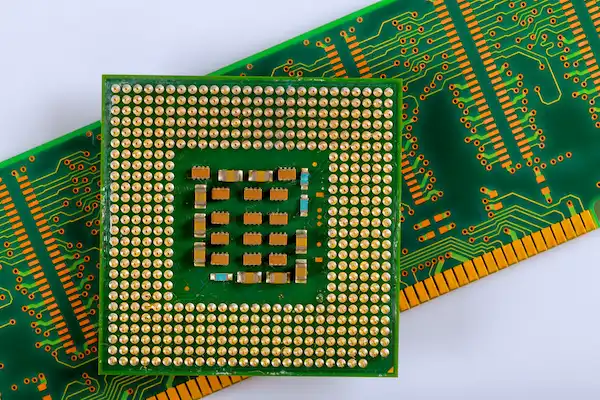
Ceramic powders are dispersed in slurry and formed into green sheets. These sheets are laminated, cut, and sintered. Achieve dispersion stability, mechanical strength, flexibility, interlayer adhesion, and resistance to chipping and cracking during handling.
S-LEC™ BK Series is a PVB-based binder providing outstanding dispersibility, adhesion, and toughness. These benefits enable stable green sheet formation and enhance handling efficiency throughout processing steps. To ensure optimal performance for each powder and process, evaluate debinding behavior and minimize residue formation during firing.
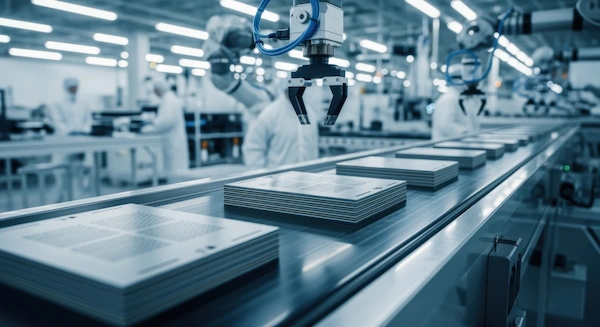
In the inner electrode process, metal paste—typically nickel powder—is printed onto green sheets, then laminated and fired. The process needs proper viscosity, less stringing during printing, shape retention after printing, and strong adhesion to the dielectric layer. Balancing printability, shape stability, and adhesion is challenging and often demands optimization of paste formulation and solvent systems.
S-LEC™ SV Series is a specialized PVB binder designed for these needs. It offers stable printing, strong adhesion, suitable thermal decomposition, and stable processing with the dielectric layer.
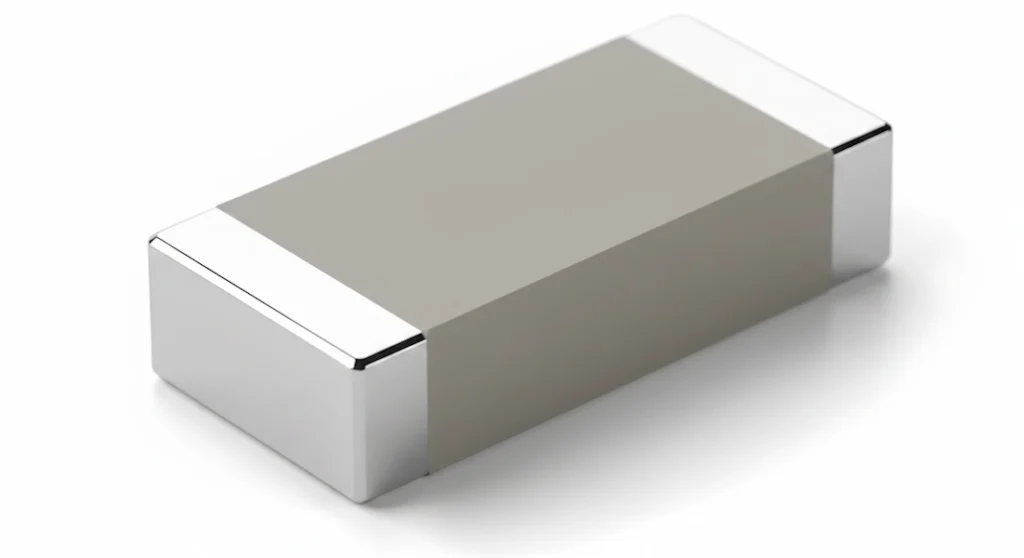
In the outer electrode process, metal paste—such as copper—is applied to the ends of sintered MLCC chips and fired under an inert atmosphere. The paste must retain its shape during coating and decompose cleanly during firing. Incomplete decomposition can cause carbon residue, affecting electrode appearance, conductivity, and bonding reliability.
S-LEC™ AS Series is a special acrylic binder designed for these requirements. It enables low-temperature decomposition, less residue, and stable coating. Evaluate it based on metal type, atmosphere, firing temperature, and paste formulation to ensure process suitability.
Issues in MLCC manufacturing may result not only from a single material but also from interactions across various process steps, including slurry preparation, printing, lamination, and firing. When addressing green sheet chipping or cracking, review binder strength and flexibility, powder dispersion and lamination conditions. For inner electrode pastes, assess stringing or uneven printing by examining flow behavior, solvent compatibility, printed shape retention, and adhesion to the dielectric layer. For outer electrodes, evaluate concerns about residue and conductivity by considering decomposition behavior and its removal under inert atmospheres.
SEKISUI Specialty Chemicals is committed to supporting you in issue analysis, material selection, and evaluation planning, providing guidance at every step.
Q. Which MLCC processes do your binders support?
A. Our binders support dielectric green sheet formation, inner electrode pastes, and outer electrode pastes. We offer S-LEC™ BK, SV, and AS Series tailored to each process and its specific requirements such as dispersion, adhesion, printability, debinding, and residue control.
Q. What role does a PVB binder play in MLCC manufacturing?
A. PVB binders contribute to dispersion, adhesion, and mechanical properties in slurries and pastes containing ceramic or metal powders. S-LEC™ BK and SV Series are designed to support stable processing from forming and printing to lamination and firing.
Q. What challenges can be addressed in inner electrode pastes?
A. Key challenges include viscosity control, reduced stringing, shape retention after printing, and adhesion between layers. S-LEC™ SV Series is designed to balance these factors while supporting stable processing performance.
Q. Which material is recommended for outer electrodes?
A. S-LEC™ AS Series is a suitable candidate for outer electrodes. It is designed to support shape stability during coating and clean decomposition under inert conditions, helping reduce residue and maintain electrode performance.
Q. What information is required when requesting samples?
A. Please share the target process, powder or metal type, solvent system, current binder, technical issues, properties to be evaluated, firing conditions, and desired viscosity or solid content. This information helps us propose suitable materials and evaluation conditions.