
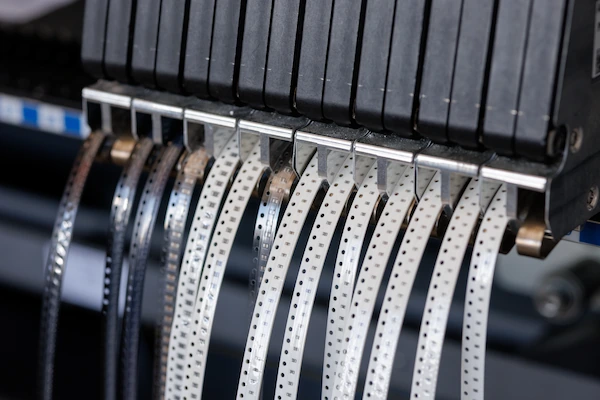
In ceramic green sheets for MLCCs and ceramic substrates, binder selection affects far more than shaping alone. Materials must provide an appropriate balance of sheet strength and flexibility during forming, adhesion during lamination, and stable debinding behavior before firing.
Binders also influence slurry stability and sheet quality, while helping reduce issues such as residue and cracking that can affect yield and process stability. SEKISUI Specialty Chemicals’ PVB resin, S-LEC™ B Series, is designed to support this balance through a wide range of molecular weight and functional group compositions.
You can review material options through our catalog providing useful information to support grade selection and early-stage evaluation.
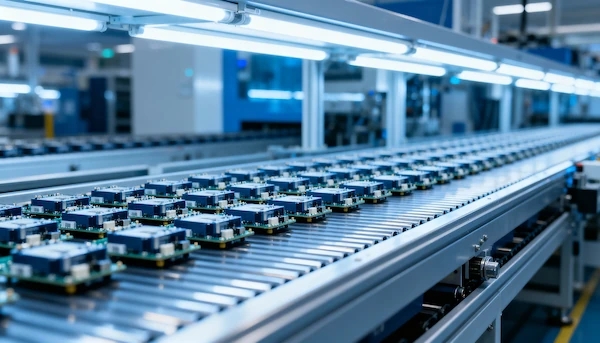
Binders for ceramic green sheets are expected to deliver a wide range of properties. In addition to ceramic powder dispersibility and solubility in organic solvents, they must support sheet strength and flexibility during forming, adhesion during lamination, and appropriate thermal decomposition behavior before sintering.
At the same time, while binders contribute to slurry stability and mechanical integrity, they can also become a source of residue or cracking if the material balance is not well matched to the process. In practice, improving one property may place limits on another, which makes overall balance a key consideration in material selection.
S-LEC™ BK Series helps engineers evaluate these trade-offs more effectively and supports material design aimed at stable quality and improved process yield.
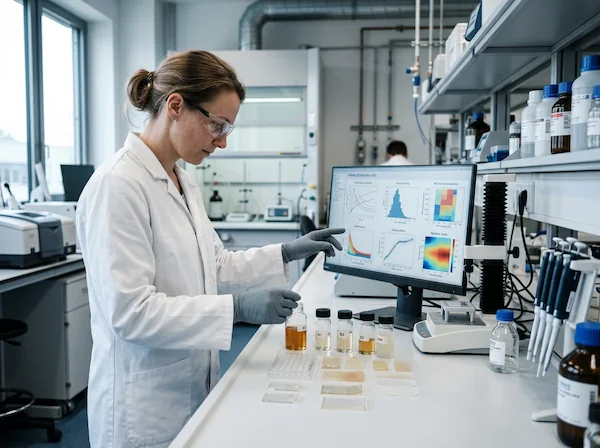
S-LEC™ BK Series allows material properties to be adjusted through the balance of hydroxyl, acetal, and acetyl groups together with molecular weight design. This helps fine-tune adhesion, flexibility, sheet strength, solubility, and Tg to meet processing needs. As a result, the series can support a balanced approach to common green sheet challenges, such as tearing during release, lamination contact, slurry dispersion, and stability before firing. For detailed property data and grade selection guidance, please refer to the catalog and related product information.
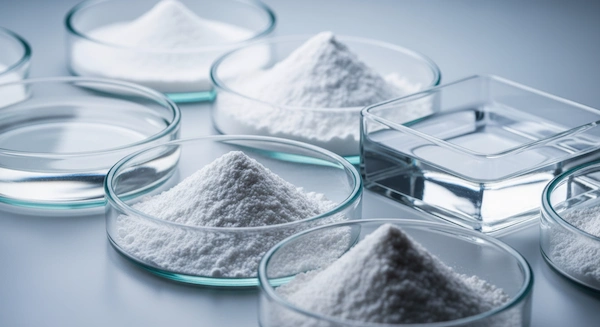
S-LEC™ BK Series includes a broad range of grades with different molecular weights, hydroxyl content, and Tg values, allowing selection according to application needs, ceramic type, solvent system, target sheet thickness, and process temperature.
For example, lower-hydroxyl grades may be considered for LTCC applications where reduced gelation is important, while higher-molecular-weight grades may help when greater sheet strength is needed for thinner layers. If adjustment of hardness or brittleness is required, grades with different functional group balances can also be evaluated. For customers considering water-based processing, water-soluble alternatives such as the S-LEC™ KW Series and KX Series may also be relevant options.
Please refer to the catalog for a more detailed comparison of available grades.
Q. Is the S-LEC™ BK Series suitable for all ceramic powders?
A. The series has been used in a wide range of applications, but actual behavior depends on factors such as powder surface characteristics, solvent system, dispersant, and plasticizer combination. Preliminary evaluation under conditions close to your process is recommended.
Q. Can multiple grades be blended?
A. Blending may be considered when the grades dissolve stably in the same solvent system and the target properties can be achieved. Because viscosity and related behaviors may change, please contact us for more details.
Q. Which solvents can be used?
A. Suitable solvents vary by grade. Please refer to the solubility table in the catalog and contact us if you would like support for selection based on your application or process conditions.