
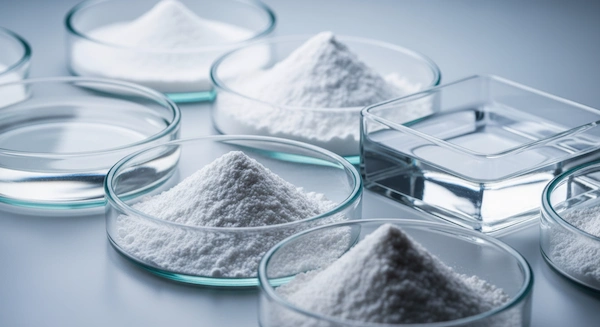
SEKISUI Specialty Chemicals provides functional material solutions for a wide range of industrial applications, including electronic components, ceramic processing, heat dissipation materials, CASE applications, composites, magnets, foam molding, and hollow or channel molding. By combining technologies such as binders, resin modifiers, expandable microspheres, and water-soluble materials, we support material selection to address challenges in moldability, dispersion, adhesion, weight reduction, environmental considerations, and process stability.
To begin exploring relevant material candidates and detailed application pages, please select your process requirements or development needs below.
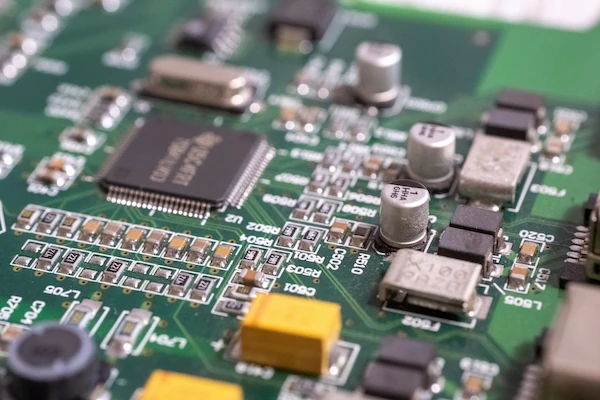
In ceramic component manufacturing, stable quality must be maintained across multiple processes, including powder dispersion, slurry preparation, granulation, green sheet forming, lamination, debinding, and firing. Binders must provide strength and flexibility during forming, adhesion in lamination, compatibility with ceramic powders, and clean removal in firing.
S-LEC™ BK Series, polyvinyl acetal resin, from SEKISUI Specialty Chemicals offers design flexibility in molecular weight and functional group balance, enabling customers to adjust properties for ceramic forming. Review material candidates for applications, including MLCCs, ceramic granulation, electrostatic chucks, and heat-dissipation substrates.
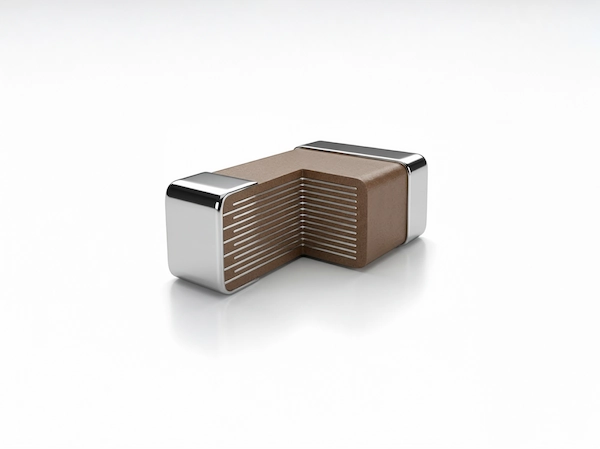
MLCCs are produced through precise processes: forming dielectric layers, printing internal electrodes, laminating, firing, and forming external electrodes. Each process demands specific binder properties, including dispersion stability, sheet strength, flexibility, printability, interlayer adhesion, debinding, and residue control. Optimizing processes in isolation can hinder alignment in adhesion, shrinkage, and firing throughout manufacturing.
SEKISUI Specialty Chemicals selects materials to match the demands of dielectric, internal, and external electrodes, while considering their impact on downstream processes.
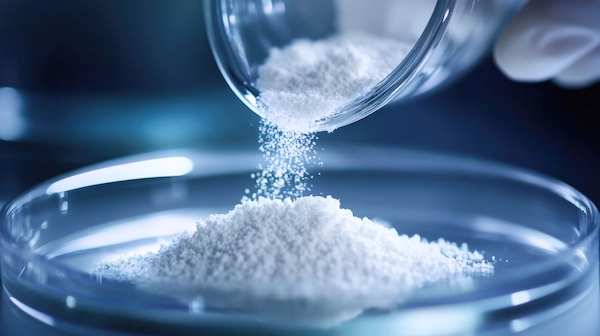
In ceramic granulation, fine ceramic powders are mixed with binders and solvents to form granules for easier handling during press forming. Granule shape, particle size, flowability, and strength impact mold filling, green body strength, chipping, cracking, and quality after sintering. Binder selection should consider powder compatibility, slurry behavior, granule strength, and removability during firing.
SEKISUI Specialty Chemicals supports both powder handling and formability in ceramic granulation with PVB resins for aqueous and solvent-based systems.
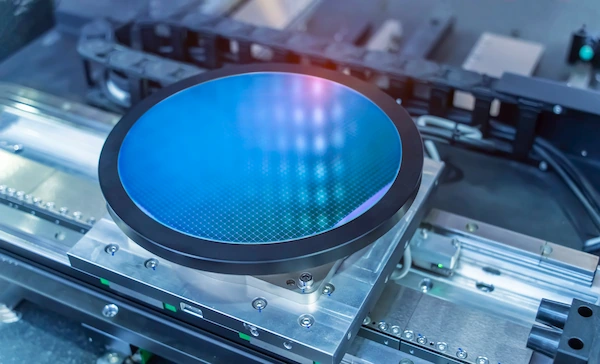
Electrostatic chucks secure wafers in semiconductor manufacturing using electrostatic force. In dry etching and CVD, wafers stay stable under vacuum, minimizing positional shift and temperature variation. Ceramic components in electrostatic chucks demand close attention to green sheet strength, flexibility, lamination adhesion, debinding, and post-firing quality.
SEKISUI Specialty Chemicals helps select materials based on process conditions and required properties. S-LEC™ BK Series PVB binders deliver strong lamination adhesion and controlled debinding. S-LEC™ AS series acrylic binders provide flexibility and post-firing stability.
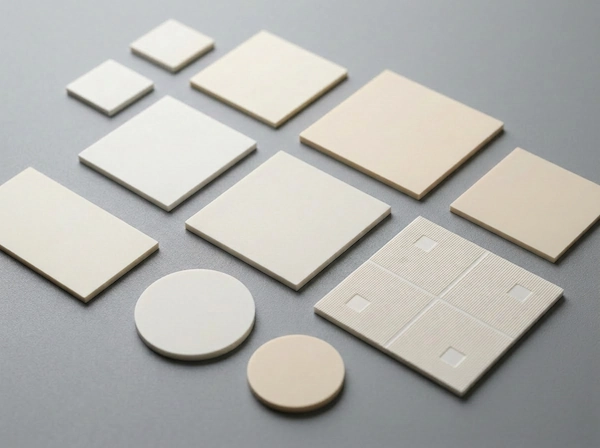
For heat-dissipation substrates made with aluminium nitride or silicon nitride, process stability from green sheet forming through debinding and firing is important to exploit their thermal conductivity. Key considerations include binder removal under low-oxygen conditions, residue control after firing, oxidation risk for metal materials, and sheet handling properties.
S-LEC™ AS series is a specialty acrylic binder designed for low-residue performance and is suitable for nitride ceramic manufacturing processes. SEKISUI Specialty Chemicals supports selecting candidate grades based on solvent systems, viscosity requirements, forming conditions, and debinding conditions.

In compact electronic devices, precision components, and fluid-control parts, demand is rising for thinner, lighter designs with internal channels or hollow structures. Conventional methods—such as machining, splitting, bonding, or post-processing—often struggle to form internal geometries, curved channels, or branched features. These tactics can also multiply process steps and introduce risks of leakage or dimensional variation.
To address these challenges, Ultiloc™ P Series provides a PVA-based water-soluble lost core material that enables efficient core process studies in high-temperature molding conditions. SEKISUI Specialty Chemicals supports thorough material evaluation tailored to part design and molding requirements.
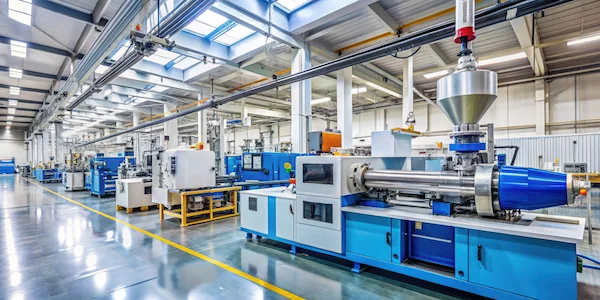
Foam extrusion forms cells in molded products and offers continuous productivity. It reduces weight and material use while providing thermal insulation, sound insulation, and cushioning. It is used for continuous products like building materials, synthetic wood, insulation panels, flooring, and automotive parts. Depending on the blowing agent and processing conditions, challenges include cell size variation, surface issues, reduced mechanical properties, odor, or equipment burden.
ADVANCELL™ expandable microspheres enable improved foam extrusion by allowing control over expansion ratio, cell structure, and surface appearance, supporting consistent quality and functional performance.
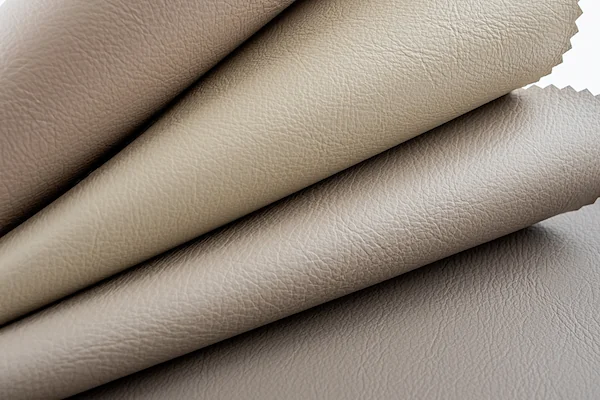
Synthetic leather is used in products people see and touch up close, such as automotive interiors, shoes, bags, and furniture. As a result, appearance, texture, thickness, durability, and odor are important design considerations. In thin synthetic leather materials, it can be difficult to provide natural softness and cushioning within limited thickness while reducing surface roughness, uneven foaming, and wrinkles in folded areas.
ADVANCELL™ expandable microspheres expand when heated and can help form uniform closed cells. They can be used in foam design studies to reduce odor, improve cushioning, adjust thickness, and reduce wrinkles in synthetic leather applications.
To address the diverse demands of coatings, adhesives, sealants, elastomers, CFRP, and epoxy resins, materials must be selected for how they fit the complete recipe, not just individual features. SEKISUI Specialty Chemicals supports recipe development and resin modification using polyvinyl acetal resins, special acrylic resins, expandable microspheres, and PVOH/PVA materials, ensuring products deliver optimal performance for specified applications.

In CASE applications—coatings, adhesives, sealants, and elastomers—formulation design must balance performance requirements based on use. These may include adhesion to substrates, dispersion stability, coating properties, flexibility, durability, foam control, and weight reduction. For example, leveling and dispersion are important in coatings, while adhesion and flexibility are key considerations in adhesives. Sealants and elastomers often require stress relaxation and durability.
SEKISUI Specialty Chemicals offers functional additive candidates centered on S-LEC™, ADVANCELL™, and SELVOL™. We support material selection according to substrate, solvent, processing conditions, and required properties.
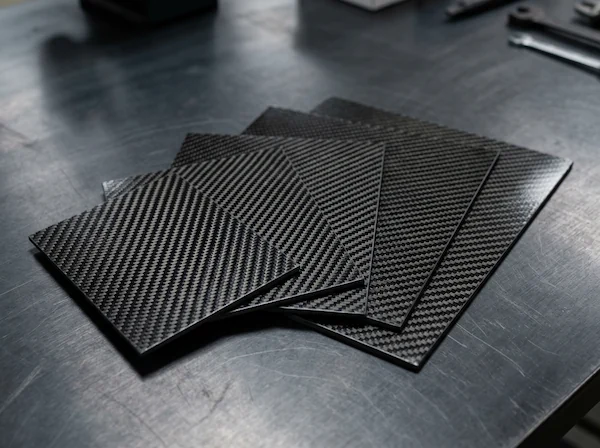
CFRP is used in many applications, including aircraft, cars, and industrial equipment, because it is lightweight and strong. However, depending on the resin type, problems may include layers separating, cracks from impacts, or poor bonding to carbon fibers. Also, in prepreg processes, factors such as stickiness, stable flow, proper soaking, and good storage can affect how well the material is shaped and its overall quality.
To address these issues, S-LEC™ BK Series, PVB resins from SEKISUI Specialty Chemicals, use the adhesion and flexibility of polar functional groups to support epoxy matrix resin modification for CFRP performance design and process stability.

Epoxy resins offer adhesion, durability, and electrical insulation in adhesives, encapsulants, coatings, and composites. However, cured epoxy materials often become rigid. In environments with thermal expansion, vibration, impact, or cycling, cracks or interfacial delamination may form.
S-LEC™ BK Series from SEKISUI Specialty Chemicals is a polyvinyl acetal resin for epoxy modification. PVB’s structure helps adjust hardness, stress relaxation, toughness, and adhesion. These properties can be tailored to application requirements, curing conditions, and target properties.
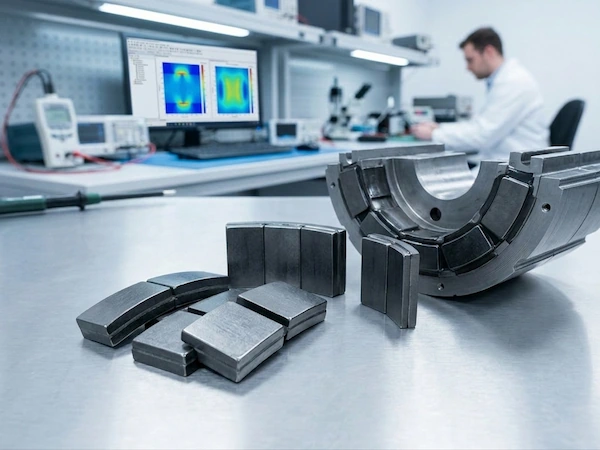
Neodymium magnets are used in devices like electric car motors, generators, and factory machines, where they need to perform reliably and withstand high temperatures. To help the magnets keep their strength when hot, a process called grain-boundary diffusion can be used. This means the magnet is coated with a mixture that has elements such as Dy or Tb, which are then heated to spread into the edges of the magnet grains.
S-LEC™ AS series supports process studies for grain boundary diffusion and rare-earth reduction initiatives by enabling stable dispersion, uniform coating, reliable placement, and minimal residue, thereby improving performance.