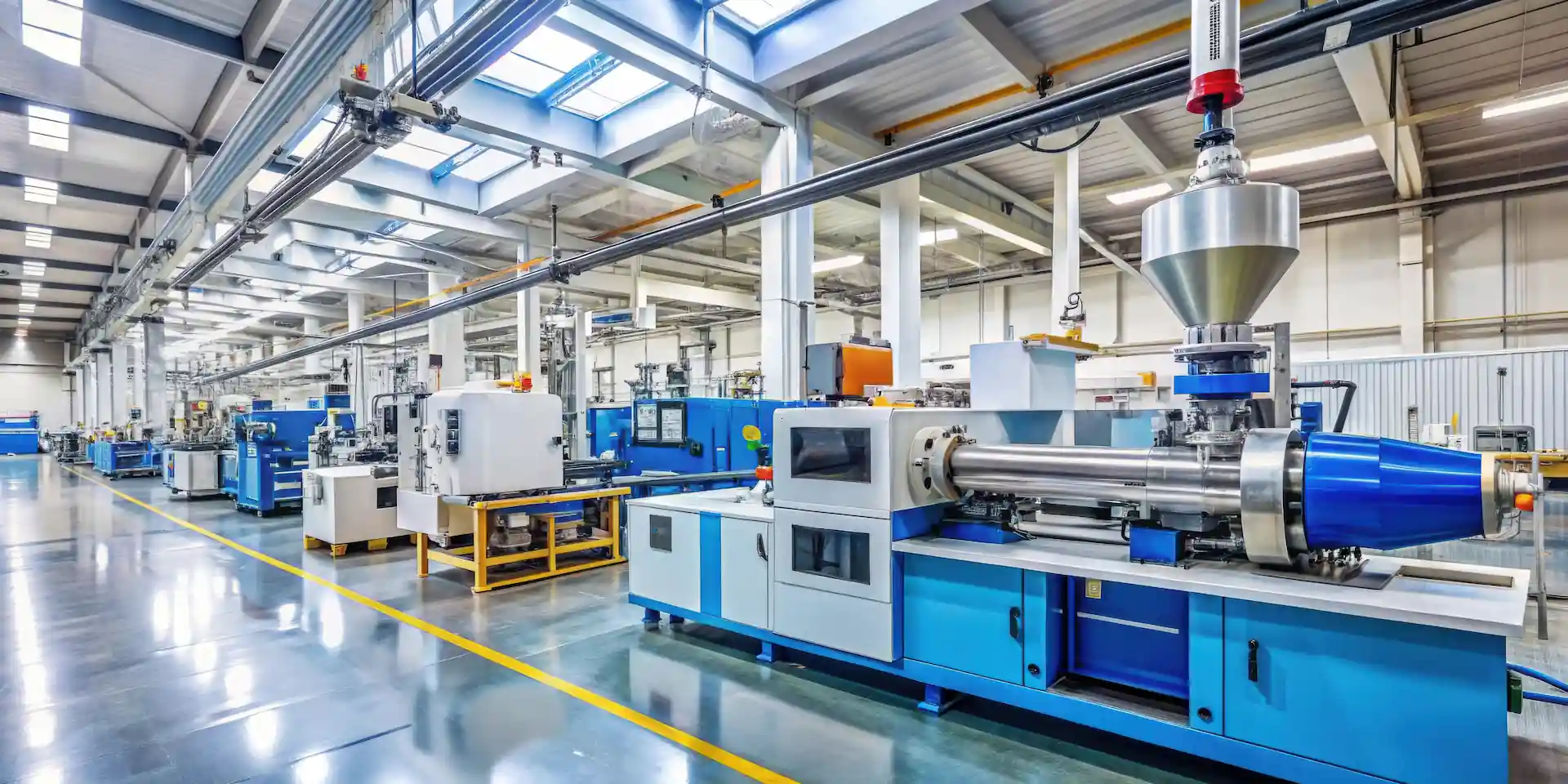
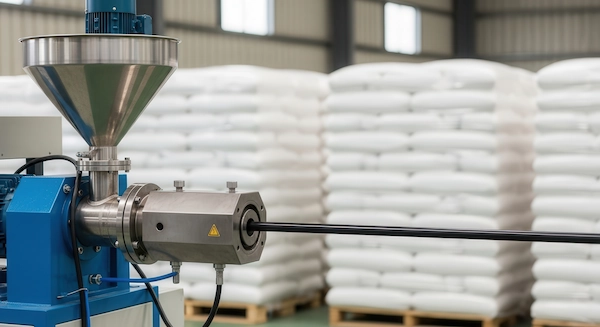
Foam extrusion is a continuous process that forms air bubbles, reducing weight and material use while providing insulation and cushioning. Used for long products like building materials and automotive components, this method can affect bubble size, surface quality, mechanical properties, odors, and installation costs depending on blowing agent and molding conditions.
ADVANCELL™ is a uniquely engineered expandable microsphere solution designed to support foam designs that more readily form closed, independent cells. It enables manufacturers to achieve functional benefits while optimizing existing extrusion processes and overcoming common foaming challenges.
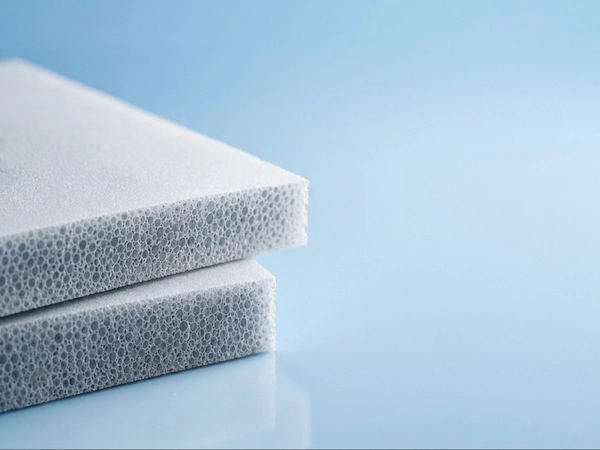
Foam extrusion requires more than reducing product weight; it also demands uniform bubble size, closed-cell structure, surface finish, dimensional and mechanical stability, insulation, cushioning, and compatibility with extrusion equipment. For long components like building materials, insulation panels, flooring, and automotive weatherstrips, balancing expansion, surface quality, and physical properties is critical for continuous production.
Conventional chemical blowing agents present challenges with temperature control, decomposition residues, odors, and inconsistent cell structures. Physical foaming with liquefied gas requires special equipment and gas management. Choosing the right material depends on understanding the differences among blowing agents and application needs.
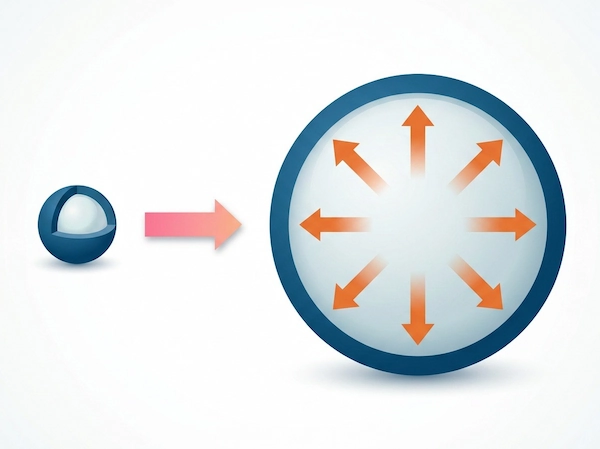
ADVANCELL™ is expandable microspheres with a core–shell structure: a low-boiling hydrocarbon is encapsulated within a thermoplastic polymer shell. During processing, each particle expands to form cells, providing an approach that can more readily create closed, independent cells than chemical foaming agents, which generate gas through thermal decomposition. With chemical foaming, the timing of gas generation, decomposition residues, odor, and variations in cell size can affect surface appearance and mechanical performance.
Because ADVANCELL™ does not generate decomposition residues, it can help reduce concerns about odor and residues while improving the controllability of the cellular structure. To meet different production needs, ADVANCELL™ is available in both powder and masterbatch forms, enabling evaluation of existing extrusion processes.
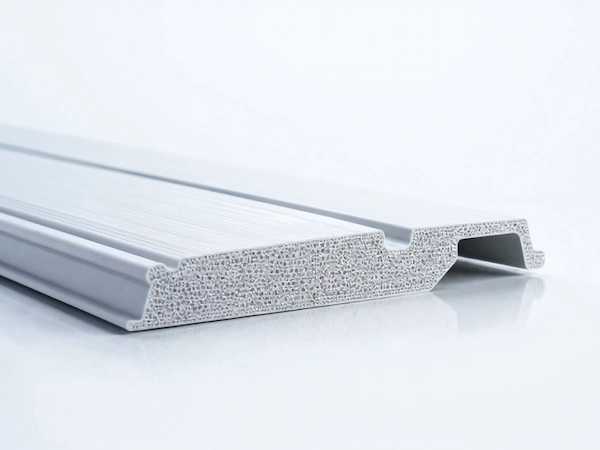
Lightweighting in foamed extrusion is not only about reducing part weight. It can also help lower material usage, improve handling and installation, reduce transportation burden, and enhance functional performance such as insulation, sound dampening, and cushioning. In building, automotive, and industrial applications, manufacturers often need to advance lightweighting while maintaining surface quality, dimensional stability, and required mechanical properties.
Because ADVANCELL™ expands during molding and can more readily form closed, independent cells, it can support a balanced transition from solid materials to foamed structures. By selecting an appropriate grade and addition level based on the target expansion ratio, base resin, and processing temperature, you can evaluate foam designs that achieve density reduction while minimizing risks of appearance or property deterioration.
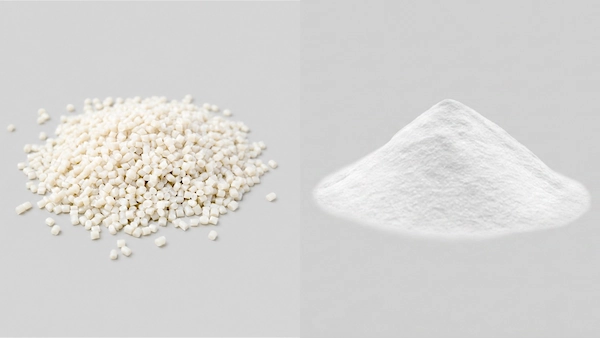
When selecting ADVANCELL™ for foamed extrusion, match the product form and grade to your requirements: powder is ideal for designs using microspheres dispersed via compounding or powder blending, while masterbatch is engineered for pellet-based resins like polypropylene and elastomers, ensuring efficient dry blending and reliable feeding in existing extrusion lines.
The addition amount depends on the desired expansion ratio, appearance, and performance. Excessive dosage can compromise foaming efficiency or mechanical integrity. Conduct sample trials to determine optimal settings, monitoring temperature, shear, residence time, and part thickness.
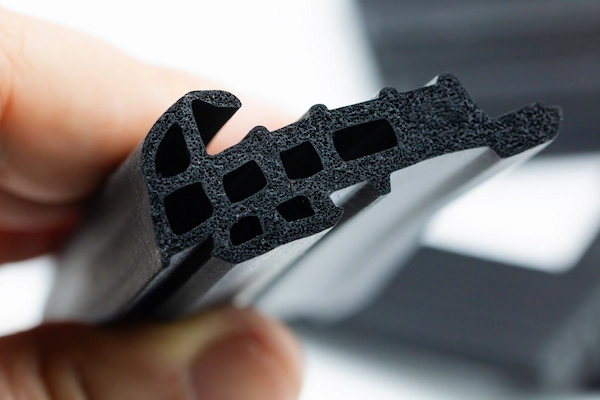
ADVANCELL™ is suitable for products manufactured by foamed extrusion, such as building materials, synthetic wood, insulation panels, flooring, and automotive weatherstrips.
– In building products, reducing weight facilitates installation and lowers material consumption, but surface aesthetics and key functions like insulation and cushioning must be retained.
– For elastomer-based extruded components, enhanced expansion is desired while maintaining flexibility and sealing, though compromised properties or irregular foaming may occur.
– For automotive profiles, balancing weight reduction, aesthetics, durability, and dimensional stability is essential.
ADVANCELL™ microspheres regulate cell structure and minimize surface defects, and can be assessed with existing equipment. Applicability depends on resin type, processing temperature, and required expansion.
Q. What is the main difference between ADVANCELL™ and chemical foaming agents?
A. ADVANCELL™ forms cells by particle expansion, not by gas generation from thermal decomposition. This can make it easier to form closed, independent cells and balance cell-size control, surface appearance, and mechanical properties. It also does not generate decomposition residues, helping reduce concerns related to odor or residue.
Q. Can I use ADVANCELL™ on existing extrusion equipment?
A. ADVANCELL™ can be trialed on conventional extrusion by dry blending with base resin. For pellet resins, a masterbatch supports blendability and reliable feeding. Applicability depends on resin type, processing temperatures, screw configuration, residence time, shear profile, and desired expansion ratio.
Q. Up to what processing temperature can you use ADVANCELL™ ?
A. Multiple grades are available to match different processing temperatures. If the expansion behavior does not fit the processing window, foaming may be insufficient, or over-expansion may occur. Selection should consider melt temperature, extrusion temperature, die temperature, and residence time; refer to the brochure or consult a technical expert for guidance.
Q. What is a typical addition level?
A. Addition level depends on the target expansion ratio, resin type, processing temperature, part thickness, and required properties. As a general reference, a 1–2% addition can achieve an expansion ratio of about 1.2–2.0×. Increasing addition does not always increase expansion, and excessive addition may reduce foaming efficiency or mechanical performance.
Q. How should I choose between powder and masterbatch types?
Powder is suitable when dispersion relies on compounding or powder blending. Masterbatch is designed for compatibility with pellet resins, such as polypropylene and elastomers, and enables easier dry blending in extrusion processes. Choose based on raw material format, mixing technique, feeding system, processing temperature, dispersion quality, and desired expansion ratio.