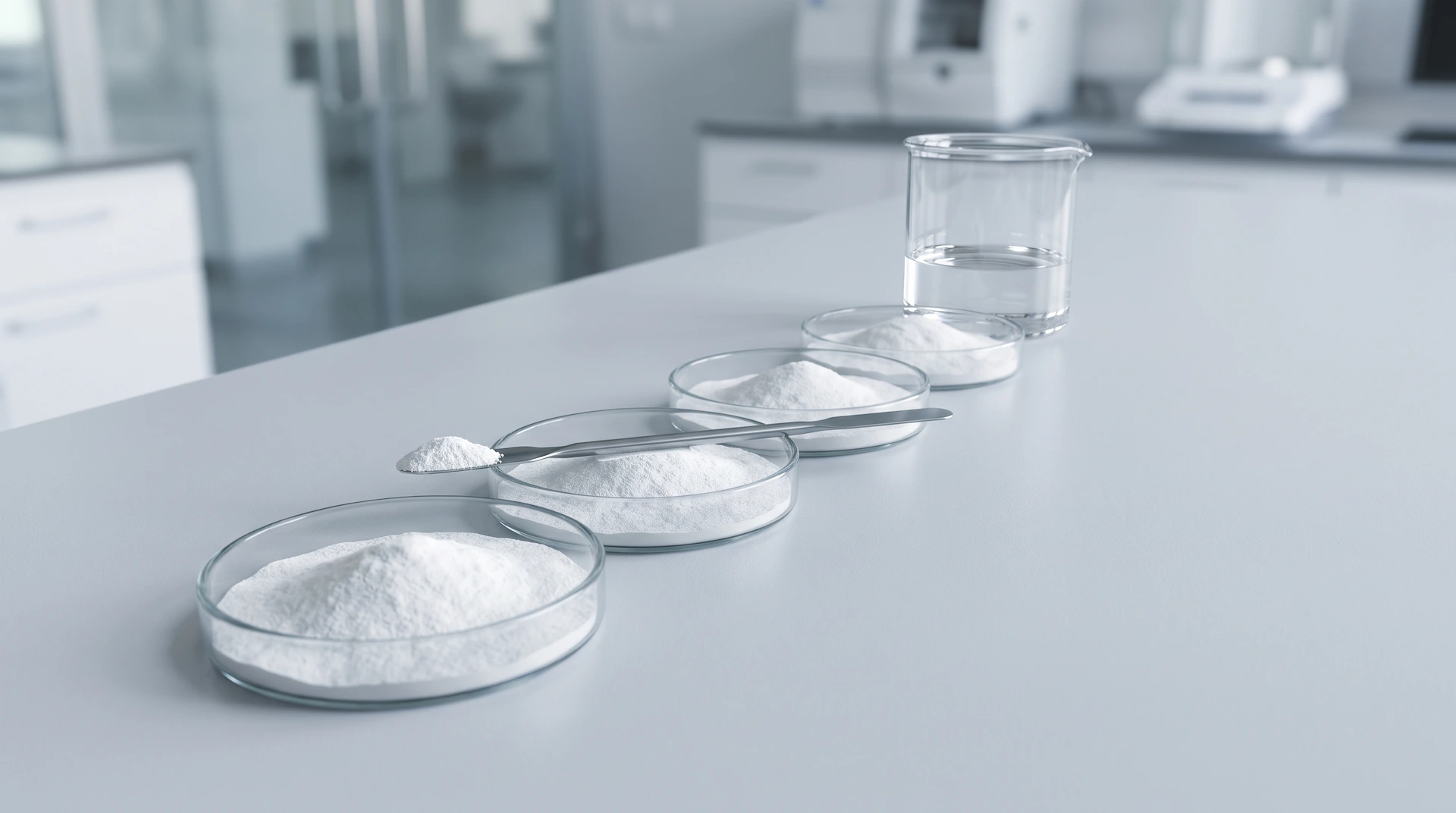

Polyvinyl acetal is the general term for functional resins made by reacting polyvinyl alcohol (PVA/PVOH) with an aldehyde. Each molecule contains three structural units: an acetal, a hydroxyl, and an acetyl group. Adjusting their ratio, degree of polymerization (molecular weight), and aldehyde type allows the tailoring of dispersibility, adhesion, toughness, solubility, and thermal properties.
Representative materials include polyvinyl butyral (PVB), made with butyraldehyde, and polyvinyl acetoacetal, made with acetaldehyde. Water-soluble polyvinyl acetal retains more hydroxyl groups, so it can be used in water or water/alcohol systems. With such a wide range of properties, material choice, and composition, shape process stability and product quality.
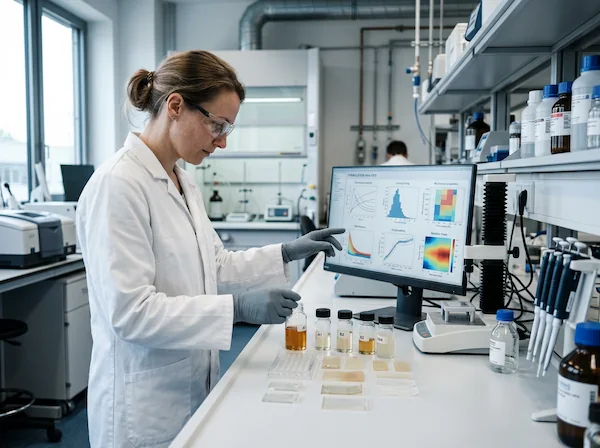
Polyvinyl acetal is the general term for functional resins made by reacting polyvinyl alcohol (PVA/PVOH) with an aldehyde. Each molecule contains three structural units: an acetal, a hydroxyl, and an acetyl group. Adjusting their ratio, degree of polymerization (molecular weight), and aldehyde type allows the tailoring of dispersibility, adhesion, toughness, solubility, and thermal properties.
Representative materials include polyvinyl butyral (PVB), made with butyraldehyde, and polyvinyl acetoacetal, made with acetaldehyde. Water-soluble polyvinyl acetal retains more hydroxyl groups, so it can be used in water or water/alcohol systems. With such a wide range of properties, material choice, and composition, shape process stability and product quality.
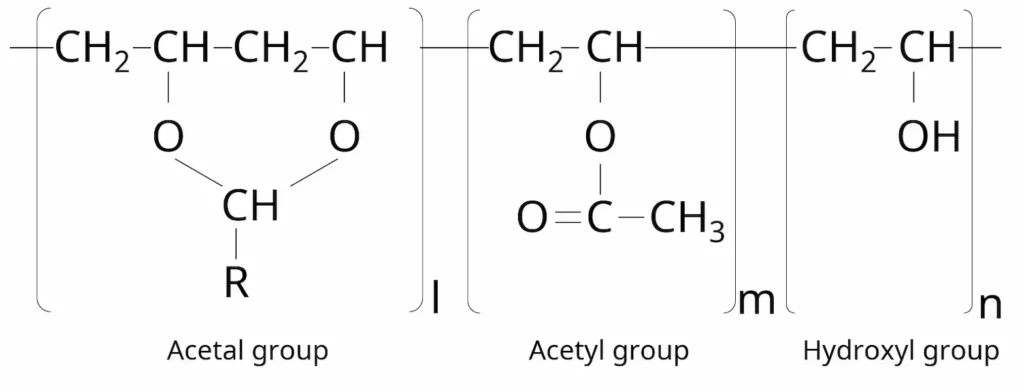
The properties of polyvinyl acetal depend mainly on four design factors: degree of polymerization (molecular weight), hydroxyl content, degree of acetalization, and acetal type. A higher degree of polymerization generally increases sheet and film strength but also raises solution viscosity at a given concentration, so it must be balanced against coatability and solids content. Hydroxyl content affects strength, adhesion, and polar-solvent affinity, while the degree of acetalization determines organic-solvent solubility and flexibility.
The acetal structure (butyral or acetoacetal) affects thermal properties such as glass transition temperature (Tg). SEKISUI Specialty Chemicals offers grades that vary across these factors for comparison by target viscosity, sheet strength, heat resistance, and solvent system.
| Material | Product | Solvent System | Key Selection Factors | Main Applications |
|---|---|---|---|---|
| Polyvinyl butyral (PVB) | S-LEC™ B Series | Organic solvents | Balance of dispersion, adhesion, and toughness; compatibility with solvents and other resins | Ceramic binders, conductive pastes, adhesives, coatings and inks, resin modification |
| Polyvinyl acetoacetal | S-LEC™ KS Series | Organic solvents | Higher Tg than PVB | Binders and films for processes involving heat during drying or processing |
| Water-soluble polyvinyl acetal | S-LEC™ KW Series | Water | Suitability for water-based systems, flexibility, dispersibility | Water-based binders, water-based dispersions, inkjet receptive layers |
| Water-soluble polyvinyl acetal | S-LEC™ KX Series | Water/alcohol mixtures | Water resistance, anti-fog properties, transparency | Anti-fog and clear coatings, water-based coatings |
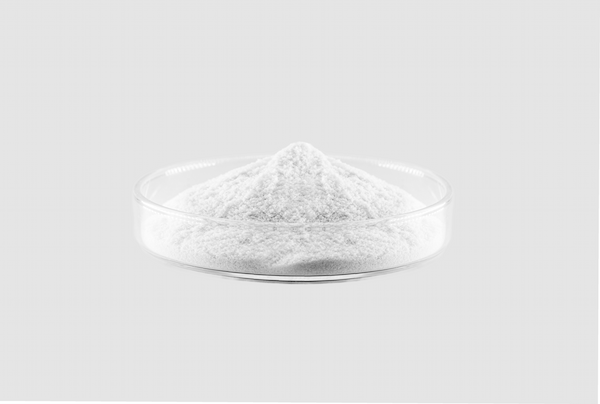
Polyvinyl butyral (PVB) is a representative polyvinyl acetal with a wide range of applications. Thanks to its butyral structure, it dissolves in many organic solvents and blends easily with other resins, so dispersion, adhesion, and toughness can be balanced for each process. For MLCC and other ceramic green sheets, key criteria are uniform powder dispersion, sheet strength and flexibility, downstream handling, and burnout during firing. Conductive pastes, coatings, and inks focus on dispersion stability and coatability, while epoxy and phenolic resin modification targets added toughness.
S-LEC™ B Series includes grades that vary in degree of polymerization, hydroxyl content, and Tg. Please see the grade data for typical properties and solvent solubility.
Polyvinyl acetoacetal is acetalized with acetaldehyde and has a shorter side chain than PVB. This structural difference gives it a higher glass transition temperature (Tg) than PVB and a different balance of solubility and film properties. It is therefore a candidate alongside PVB for drying or processing that involves heat, or for formed parts or films that need greater heat resistance.
SEKISUI Specialty Chemicals offers polyvinyl acetoacetal as S-LEC™ KS Series. Because its solubility and flexibility differ from PVB, we recommend evaluating both under the same conditions, including solvent, powder or filler, solids content, and drying and firing conditions.

Water-soluble polyvinyl acetal retains more hydroxyl groups, allowing it to dissolve in water or water/alcohol mixtures. When shifting to water-based processes to reduce solvent use or improve the working environment, PVA/PVOH can raise concerns about flexibility and substrate adhesion, while acrylic resins can raise concerns about filler compatibility and film strength. Because it also contains acetal structures, this material combines water-based processability with a balance of adhesion, film strength, flexibility, and dispersion stability.
S-LEC™ KW Series dissolves in water and offers good flexibility, making it a candidate for water-based binders and dispersions. S-LEC™ KX Series dissolves in water/alcohol mixtures and suits coatings requiring water resistance or anti-fog properties.

Performance requirements for polyvinyl acetal vary widely by application and process. Ceramic green sheets require slurry dispersion stability, strength, and flexibility in thin sheets, as well as clean decomposition during debinding and firing. Conductive pastes are evaluated mainly on filler dispersion, viscosity behavior for printability, and residue after firing. Adhesives and resin modification focus on substrate adhesion, compatibility with other resins, and toughening hard, brittle resins. Coatings, inks, and inkjet-receptive layers require pigment dispersion, uniform films, and substrate adhesion.
SEKISUI Specialty Chemicals organizes the properties to check and candidate grades for each application. Please contact us regarding specific evaluation items and our brochures.
| Application | Key Evaluation Criteria | First Choice | Second Choice |
|---|---|---|---|
| Ceramic green sheets (solvent-based) |
Slurry dispersion stability, thin-sheet strength and flexibility, thermal decomposition during debinding and firing | PVB | Polyvinyl acetoacetal (when heat is applied during drying or processing) |
| Ceramic slurries (water-based) |
Dispersion stability in water, green body strength, cracking after drying | Water-soluble polyvinyl acetal | — |
| Conductive pastes | Conductive filler dispersion, printability (viscosity behavior), residue after firing | PVB | — |
| Adhesives and resin modification | Substrate adhesion, compatibility with other resins, toughness | PVB | Polyvinyl acetoacetal (when heat resistance is required) |
| Coatings and inks | Pigment dispersion, film uniformity, substrate adhesion | PVB | Water-soluble polyvinyl acetal (for water-based systems) |
| Inkjet receptive layers | Ink receptivity, film uniformity, substrate adhesion | Water-soluble polyvinyl acetal | PVB |
| Anti-fog and clear coatings | Water resistance, anti-fog properties, transparency | Water-soluble polyvinyl acetal | — |
When selecting a binder or modifier, polyvinyl acetal is often compared with PVA/PVOH, acrylic resins, and vinyl acetate resins. PVA/PVOH is easy to handle in water, but moisture absorption, water resistance, and flexibility may need evaluation depending on the application. Acrylic resins offer high design flexibility, yet balancing dispersion, adhesion, flexibility, and thermal decomposition requires consideration.
Polyvinyl acetal, by contrast, balances multiple functions in a single resin and is available for both solvent-based and water-based systems. The best choice depends on process conditions and requirements. Rather than focusing on one property, compare solubility, dispersion, adhesion, film properties, and thermal behavior under actual conditions.

SEKISUI Specialty Chemicals offers polyvinyl acetal resins, centered on polyvinyl butyral (PVB), under the S-LEC™ brand, supplying fields such as ceramic binders, adhesives, coatings, and inks. Because our portfolio includes PVB, polyvinyl acetoacetal, and water-soluble polyvinyl acetal, we can compare options across material families based on your solvent system and process conditions, rather than starting from a single material.
Drawing on our experience in electronic components and functional materials, we help identify candidate grades and evaluation items from a practical, process-oriented perspective, including slurry and paste dispersion, sheet strength, and the effects of heat treatment. We support you from early material exploration through formulation improvement and scale-up for mass production.
Q. Are polyvinyl acetal and PVB the same material?
A. No. PVB is one of the representative materials within polyvinyl acetal, the general term for the entire resin family.
Q. How should I choose between PVB and polyvinyl acetoacetal?
A. Choose PVB when you need a balance of dispersion, adhesion, and toughness, and polyvinyl acetoacetal when you need a higher Tg than PVB. We recommend a final comparison under the same conditions.
Q. Can polyvinyl acetal be used in water-based processes?
A. Yes. For water-based processes, please consider water-soluble polyvinyl acetal: S-LEC™ KW Series, which dissolves in water, or S-LEC™ KX Series, which dissolves in water/alcohol mixtures.
Q. Can the resin be cleanly removed during firing?
A. Polyvinyl acetal is thermally decomposable and is used as a ceramic binder. However, residue depends on the atmosphere and heating profile, so it should be confirmed under your actual firing conditions.
Q. What information should I provide when requesting a sample?
A. When requesting a sample, include your application, substrate, powder or filler, solvent system, solids content, target viscosity, processing method, drying and firing conditions, and current challenges. The more specific the details you provide, the easier it is to narrow down suitable candidates. recommendations.